
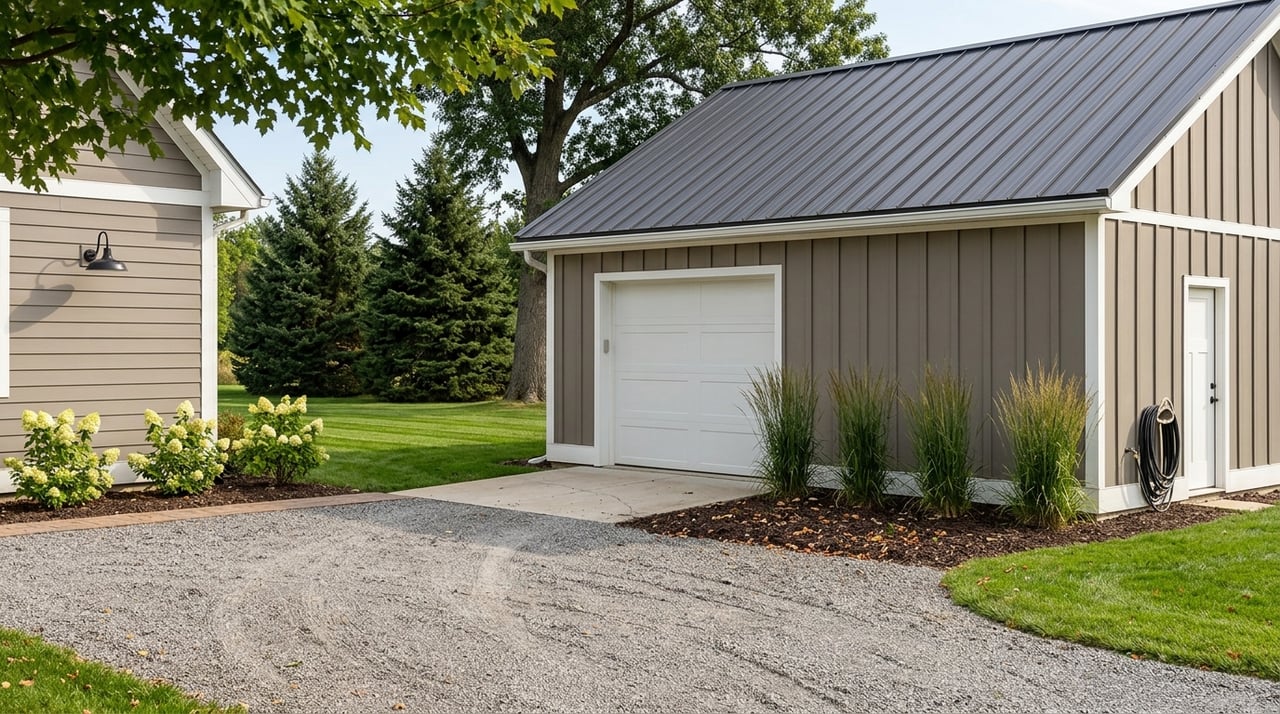
Selling an acreage near Lonsdale is not the same as listing a standard in-town home. Buyers are looking at the house, of course, but they are also studying access, septic, wells, outbuildings, drainage, and how clearly the land “reads” online and in person. If you want fewer surprises and a smoother sale, it helps to prep the property with both buyers and lenders in mind. Let’s dive in.
Start With The Right Rules
Before you make repairs, order inspections, or market improvements, confirm which local rules apply to your property. In the Lonsdale area, Rice County zoning applies in unincorporated areas, but not inside incorporated municipalities or townships that manage their own zoning authority.
That first step matters because permits, records, and property expectations can differ depending on where the parcel sits. Lonsdale also has its own online permit portal for building, plumbing, mechanical, and zoning permits, so you do not want to assume the county checklist applies if your acreage is inside city limits.
If your property is in unincorporated Rice County, building and zoning permit applications go through the county’s online permitting system. The county states that building, remodeling, or adding a structure requires a building permit, which can affect sheds, pole buildings, additions, and other site improvements buyers may ask about.
Verify Access And Driveway Records
Access is one of the first things acreage buyers notice, and it is one of the first things an appraiser and lender may question. Rice County requires a permit for all new driveways, and access to township roads is regulated by town boards.
That means you should confirm whether your existing driveway or approach was properly permitted. If there is a second access point, verify whether it was approved and whether any location restrictions apply for future improvements.
If your property uses a private road or shared access, gather any recorded documents that explain legal access and maintenance responsibilities. Fannie Mae guidance says a private or shared access arrangement must have a legally binding maintenance agreement or equivalent right of access and maintenance.
Make The Land Easy To Understand
Acreage sells better when buyers can quickly see how the property functions. They want to understand where the driveway runs, where the open land begins and ends, how the tree lines frame the parcel, and whether there are any drainage or floodplain concerns.
Fannie Mae appraisal guidance notes that site size, shape, topography, utilities, street improvements, and vehicular access all affect marketability. Easements and encroachments can help or hurt as well, so it is smart to identify anything that could raise questions before your home goes live.
Rice County’s mapping tools can help you get ahead of this. The county’s Beacon property search can show aerial photos, contour data, floodplain maps, soils data, bird’s-eye imagery, and comparable properties, which can help you see the land the way a buyer or appraiser may see it.
Pull Together Your Septic File Early
For many acreage sales, septic paperwork is where delays begin. Minnesota law requires sellers to disclose how sewage is managed on the property, and if the property has a septic system, the disclosure must include the legal description, a map of the system location to the extent practicable, and whether the system is in use and, to your knowledge, compliant.
It is important to know that this disclosure is not the same as a compliance inspection. In Rice County, a septic compliance inspection is required at property transfer when the system is more than five years old or when no compliance inspection has been done within the past three years.
Rice County also says sellers should begin the septic inspection process early. That gives you time to address problems before closing instead of trying to solve them during a buyer’s contingency period.
If winter conditions prevent an inspection, the county says a transfer agreement may be used. The county also notes that noncompliant systems generally must be repaired or replaced within 12 months, while systems considered an imminent threat can face a shorter timeline.
Septic Records To Gather
- Septic permits
- Compliance inspection reports
- Pumping records
- A map showing system location, if available
- Any transfer agreement already in place
Organize Well Records Before Listing
If your Lonsdale acreage has a private well, gather those records before you hit the market. Minnesota law requires sellers to disclose the number and status of all wells and provide a sketch map showing each well’s location.
Each well must be identified as in use, not in use, or sealed. A well is only legally sealed if the Minnesota Department of Health has a Well and Boring Sealing Record on file.
Minnesota does not require private well water testing or a well inspection at property transfer, but lenders sometimes require testing. The Minnesota Department of Health recommends gathering well construction records, sealing records, water-testing reports, and maintenance records, which can make buyer due diligence much easier.
Well Items Buyers May Ask For
- Well construction records
- Sealing records, if any
- Water-testing reports
- Maintenance history
- A sketch map showing the well location
Check Outbuildings And Improvements
Outbuildings can be a huge selling point on acreage, but only if they are easy to explain. Barns, pole sheds, detached garages, animal buildings, and additions should have a clear use, presentable condition, and supporting records if permits were required.
Fannie Mae guidance says appraisals must clearly and accurately describe dwellings and outbuildings. It also notes that lenders give special attention to properties with significant outbuildings to make sure the property remains residential in nature.
That does not mean you should hide useful buildings. It means you should be ready to show what they are, how they have been used, and whether they were properly permitted when required.
Additions without permits can affect appraised value and marketability. If you know of an older improvement with limited paperwork, it is better to identify that early than let it become a surprise during underwriting.
Clean Up What Buyers Can See
Buyers form an opinion about acreage fast. If overgrowth, scrap piles, dead brush, or unclear boundaries make the property feel harder to understand, buyers may assume the land comes with more work and more risk.
Rice County’s weed notice says landowners are expected to control or eradicate noxious weeds. The Minnesota Department of Agriculture defines noxious weeds as plants that are harmful or potentially harmful to health, roads, crops, livestock, or other property.
A practical pre-listing cleanup can make a big difference. Mow neglected areas, brush-hog overgrown sections, remove dead brush and scrap, and trim invasive growth along the edges so the usable parts of the parcel are easier to read.
UMN Extension also notes that invasive trees and shrubs can reduce property values. On acreage, that makes cleanup more than a cosmetic project. It can support marketability.
Prep For Photos Like A Buyer Shops
Acreage buyers often first experience your property online, not from the road. NAR reports that 52% of buyers found the home they purchased online, and 81% rated listing photos as the most useful feature in their online search.
That is why photo prep matters so much. Your first image sequence should help buyers understand the driveway approach, road frontage, open land, tree lines, outbuildings, and standout features that explain how the parcel functions.
Staging still matters on acreage, especially inside the home. NAR’s staging guidance says staging helps buyers visualize the property as their future home, and many agents report staged homes sell faster, with some reporting sale price gains of 1% to 10%.
For acreage, the best marketing usually combines thoughtful interior presentation with clear exterior storytelling. Buyers want the home to feel welcoming, but they also want the land to make sense immediately.
Market The Property Honestly
When you sell acreage, clarity builds trust. If photos have been heavily edited or virtually staged in a way that materially alters the property, NAR says those changes should be disclosed so buyers get a true picture.
That same principle applies to land and outbuildings. The goal is not to make the acreage look like something else. The goal is to show its strengths clearly and accurately.
Honest marketing also means answering likely buyer questions upfront. When records are organized and the listing tells a clean story, buyers feel more confident making an offer.
Questions To Answer Before Listing
If you want a smoother sale, try to have clear answers to these common acreage questions before your property hits the market:
- Is the driveway legal and properly permitted?
- Is the road public, private, or shared?
- Are there recorded easements or maintenance agreements for access?
- What is the current septic status, and can records be produced quickly?
- What is the status of each well on the property?
- Which outbuildings or additions were permitted?
- Are there floodplain, drainage, soils, or visibility issues buyers should understand?
A Simple Acreage Prep Plan
Acreage prep can feel overwhelming because there are more moving parts than a typical residential listing. The good news is that a simple, organized plan usually makes the process much more manageable.
Start with jurisdiction, then move to access, then utilities and records, then cleanup and presentation. Once those pieces are in place, your marketing can do its job much more effectively.
Your Pre-Listing Checklist
- Confirm whether city, township, or Rice County rules apply.
- Verify driveway and access records.
- Gather septic permits, inspection reports, and pumping records.
- Collect well records and confirm each well’s status.
- Review permits for outbuildings, additions, and site improvements.
- Use county mapping tools to review floodplain, contours, soils, and layout.
- Clean up overgrowth, brush, scrap, and neglected areas.
- Prep the home and land for professional photography.
- Be ready to answer buyer questions with records, not guesses.
Selling an acreage in Lonsdale is all about reducing uncertainty. When the land is clean, the records are organized, and the property is presented clearly, buyers can focus on the opportunity instead of the unknowns. If you want help building a smart prep plan for your acreage, connect with Marissa Babcock for a hands-on consultation.
FAQs
What septic inspection is required for a Rice County acreage sale?
- Rice County requires a septic compliance inspection at property transfer when the system is more than five years old or when no compliance inspection has been done within the past three years.
What well disclosures are required when selling acreage in Minnesota?
- You must disclose the number and status of all wells on the property and provide a sketch map showing each well’s location.
What driveway records matter when selling acreage near Lonsdale?
- You should verify whether the driveway or approach was permitted, whether any additional access points were approved, and whether access is through a public, private, or shared road.
What outbuilding paperwork should acreage sellers gather before listing?
- Gather any available permits and records for barns, sheds, pole buildings, detached garages, additions, and other site improvements that buyers or appraisers may question.
What should sellers clean up before listing a Lonsdale acreage?
- Focus on mowing overgrown areas, removing dead brush and scrap, controlling noxious weeds, and making open land, tree lines, driveway access, and usable spaces easier to see.
What maps should acreage sellers review before listing in Rice County?
- Rice County mapping tools can help you review aerial photos, contour data, floodplain maps, soils data, bird’s-eye imagery, and other features that may affect how buyers and appraisers understand the property.