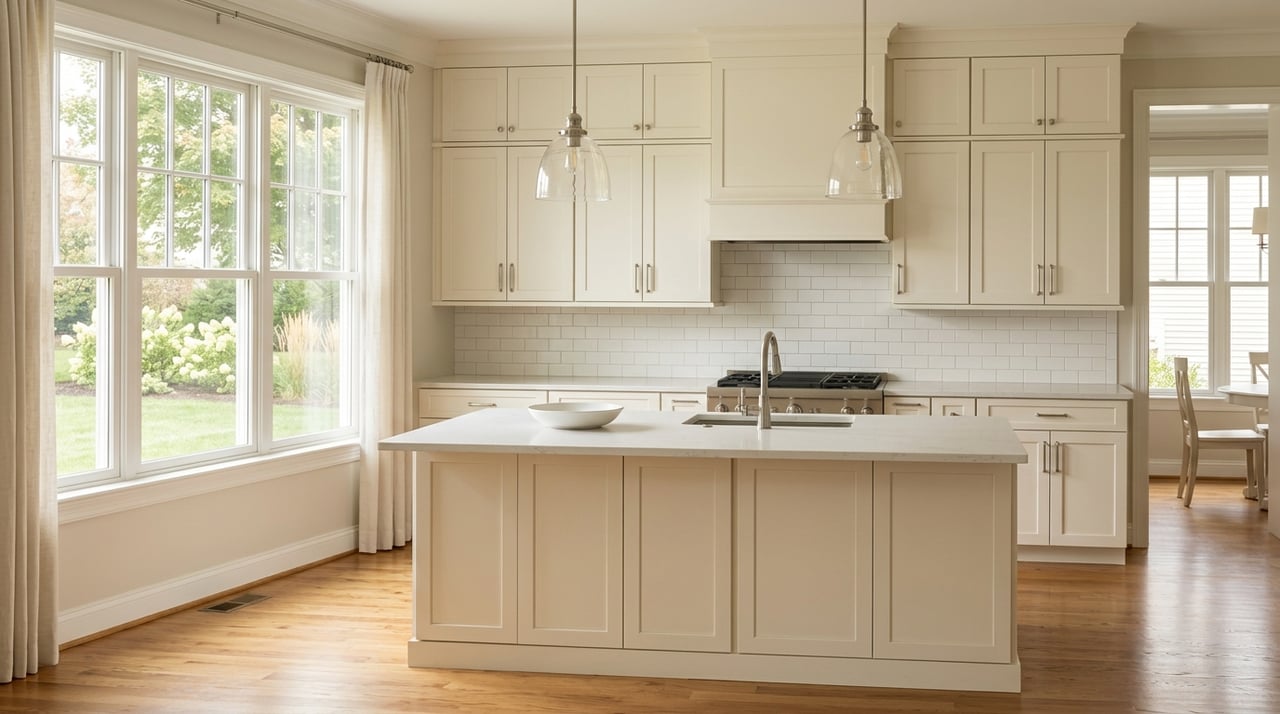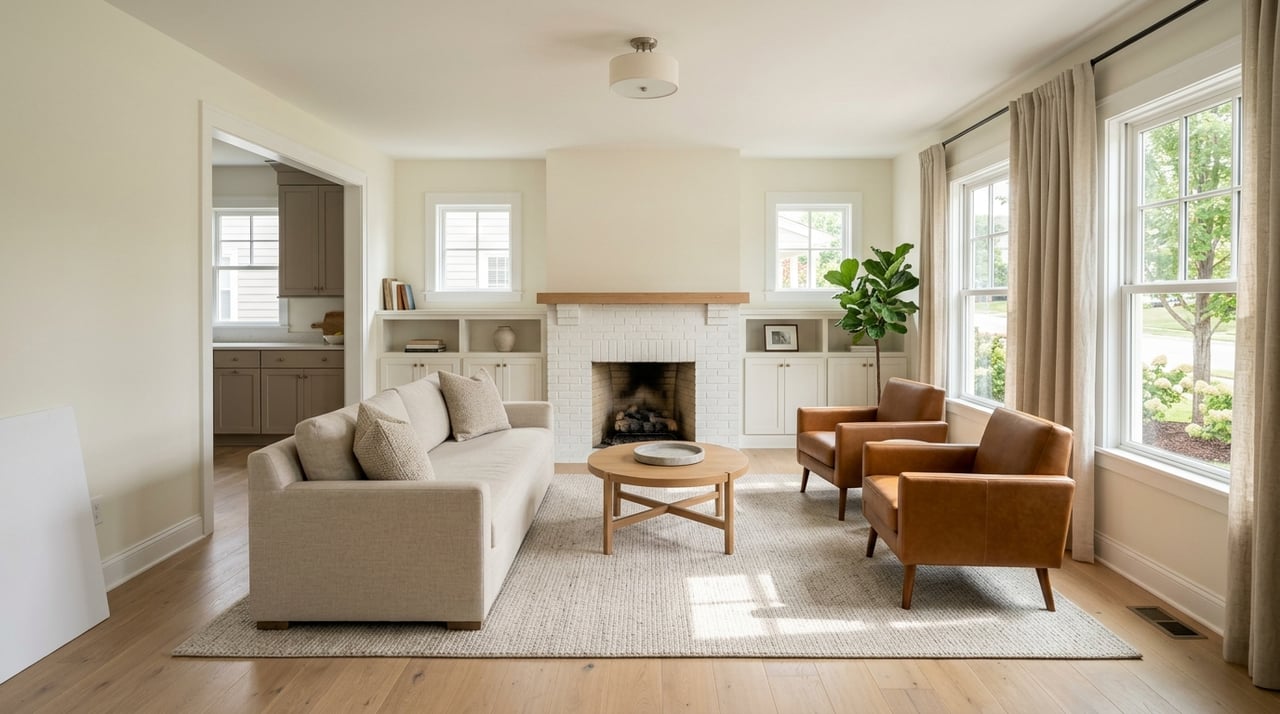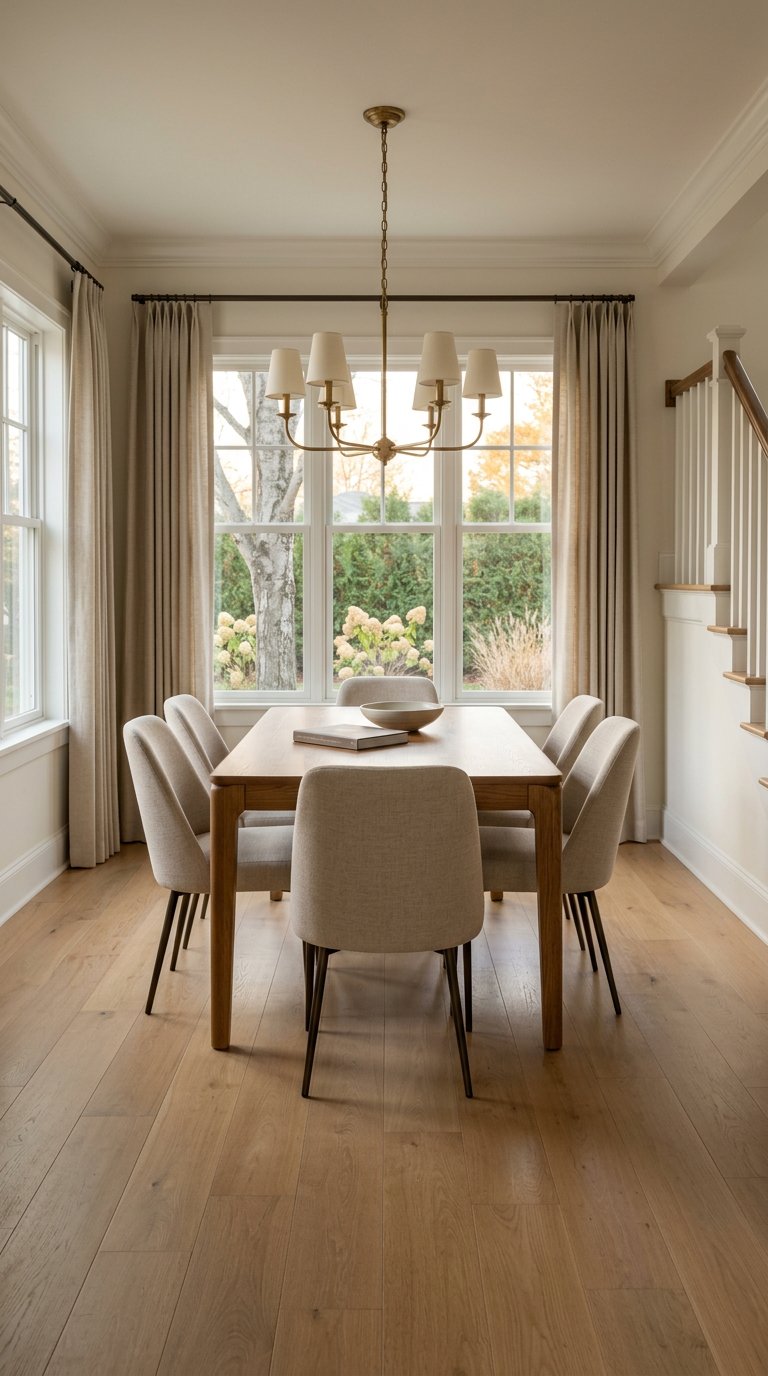
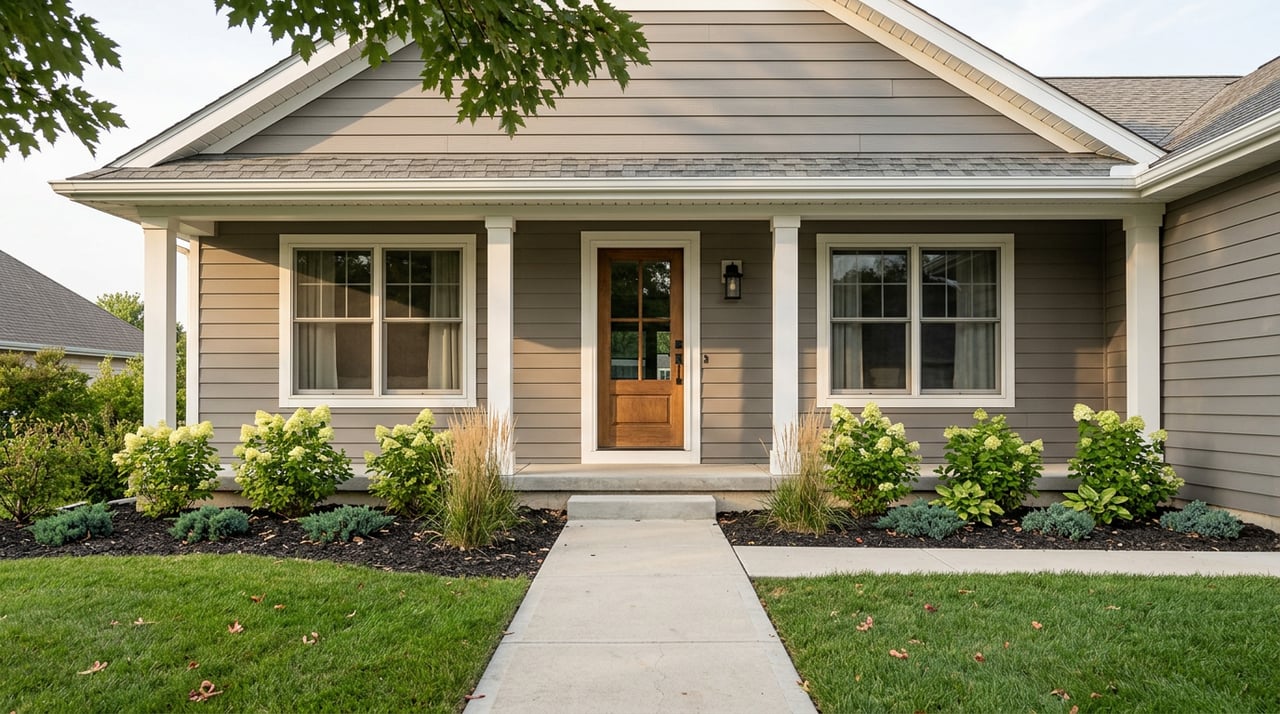
Trying to choose between a new construction home and an existing home in Lonsdale can feel like comparing apples to oranges. You want the right price, the right location, and a timeline that fits your life. In this guide, you’ll learn how Lonsdale’s market works, what to expect from permits and utilities, how warranties and financing differ, and the simple questions that make the choice clear. Let’s dive in.
Lonsdale market at a glance
Public market reports show Lonsdale’s typical single-family price landing in the mid to high $300Ks, with many resale homes clustering around the 360K to 390K range. Price per square foot often falls near 170 to 190 dollars. Inventory is modest, so desirable homes can move quickly. Nationally, the gap between new-build and resale prices narrowed in 2024 and 2025, which helps explain why local new builds sometimes list close to resale medians.
New vs existing: key differences
Price reality
- New construction in Lonsdale often starts in the low 300Ks for smaller models and runs higher for larger or semi-custom builds. Many new builds sit near resale medians, with upscale or acreage homes well above.
- Resale homes can offer more square footage for the money in some cases, especially if you are open to light updates.
Lot size and neighborhood feel
- Newer plats in town commonly feature compact lots around 0.2 to 0.4 acres that are easy to maintain.
- Older or rural parcels near Lonsdale can range from 1 to 3 acres or more. If space, outbuildings, or hobby uses matter, you may find more options in acreage properties.
Customization and finishes
- Production or spec homes offer streamlined choices and faster move-in. Semi-custom options let you select finishes and limited layout tweaks.
- Existing homes provide established landscaping and mature surroundings. You trade design control for immediate availability and neighborhood character.
Timeline and move-in
- A typical new build takes about 6 to 12 months from permit to completion. Weather, subcontractor schedules, and utility hookups can add time. Quick-move spec homes can shorten the wait to weeks.
- Resale homes offer the fastest occupancy. You can often close in 30 to 60 days, depending on financing and contingencies.
Warranties and peace of mind
- New homes in Minnesota carry statutory protections under Minnesota Statutes Chapter 327A: a 1-year warranty for workmanship and materials, 2 years for systems like plumbing, electrical, and HVAC, and 10 years for major structural defects. You can review the statute text in the state’s code at the Minnesota statutory warranties for new homes.
- Many builders also enroll homes in third-party warranty programs. Ask for the written warranty booklet before you sign and confirm what is covered, how to file a claim, and any exclusions.
Permits and utilities: local must-knows
Survey and grading requirements
The City of Lonsdale requires a certified Certificate of Survey with a building permit and enforces site grading standards that must be satisfied before occupancy. These steps affect timing and cost. If you build, ask who pays for survey work and final grading and request the target inspection schedule in writing. You can review the city’s policy in the Lonsdale Final Grade Policy for residential permits.
Municipal water and sewer
Inside Lonsdale’s developed areas, lots are typically served by city water and wastewater. Just outside town, parcels may require private well and septic. Confirm whether your lot has utility stubs in place, and ask for connection or capacity fees in writing. See local rules in the city’s Utilities chapter.
Gas and electric lead times
Gas main extensions and service installations can take weeks to months, especially during peak season. Builders usually coordinate these steps, but timelines depend on site readiness and weather. Ask your builder when they will apply and what is included in your contract. For context, review utility guidance in CenterPoint Energy’s gas main installation guidelines.
Fences, driveways, and small permits
Routine permits for items like fences and driveways have set submittal rules and setbacks. Plan these early if you want projects ready near move-in. You can preview a typical form like the city’s Fence Permit application.
Special assessments
Newer plats can include special assessments for streets, sewer, or stormwater. Request written confirmation of any current or planned assessments from the seller, builder, or city. City Council minutes are a good starting point, such as the Lonsdale City Council minutes archive.
Taxes and financing: what to budget
Property taxes in Rice County
Rice County’s average effective property tax rate trends near 0.99 percent, and summaries for Lonsdale’s ZIP often land around 1.07 percent. Exact taxes vary by parcel and district. For a high-level sense of rates, view Rice County property tax data, then confirm your specific parcel with the county’s Payable 2025 rate list.
Financing for new builds vs resale
- New construction often uses construction-to-permanent loans that fund the build in draws, with interest-only payments during construction and a conversion to a regular mortgage at completion. FHA and VA have one-time-close options through select lenders. For an overview, read about FHA construction-to-permanent loans and ask lenders about current offerings.
- Resale purchases typically use standard conventional, FHA, or VA financing with straightforward closing timelines and fewer moving parts.
Incentives and builder credits
Many builders offer closing cost credits, rate buydowns, or design credits that can narrow the cost gap with resale. Always check whether incentives require a preferred lender or specific closing window. Learn what to ask in this overview of builder incentives and representation.
Which route fits your goals
First-time buyers
You might lean toward new construction if you want lower near-term maintenance, modern energy efficiency, and the protection of Minnesota’s statutory warranties. Builder incentives can also help with closing costs. Ask these questions:
- Can you pair builder incentives with any state or lender programs you qualify for?
- What is the realistic move-in window based on permits, grading, and utility timelines?
- Are there any active or planned special assessments on the lot?
- What exactly does the 1-2-10 style warranty cover, and how do you file claims under Minnesota Chapter 327A?
Move-up buyers
If timing is tight or you need to sell first, an existing home offers immediate occupancy and established surroundings. New builds offer modern layouts, energy performance, and warranty coverage. Consider:
- Can you carry two homes briefly or use a bridge strategy if building?
- Would renovating a resale deliver the layout you want for less than new-build upgrades?
- Do local resale medians and new-build prices align with your target monthly payment?
Downsizers and retirees
New construction can deliver single-level living, fewer maintenance tasks, and accessibility options from day one. Resale can offer larger established lots and potentially lower price per square foot. Weigh:
- Yard size and maintenance goals.
- Proximity to services and travel routes.
- Annual tax impact and whether sale proceeds from your current home leave room for upgrades.
Local examples in Lonsdale
Recent new construction options in town often price near the area’s mid to high 300Ks, with larger semi-custom or acreage builds running higher. In established subdivisions, you will commonly see lots around 0.3 to 0.4 acres. On the edge of town and nearby rural areas, acreage parcels of 2 acres or more appear in the mix. Before you decide, compare a quick-move spec home to a similarly priced resale on a larger lot to see which better matches your lifestyle.
A simple same-day comparison plan
Use this quick plan to compare one new build and one resale in a single afternoon.
- Price and payment
- Compare list prices, estimated taxes, HOA dues, and projected insurance.
- If the new build includes an incentive, reduce the cash-to-close or interest rate in your comparison.
- Lot and location
- Stand on each lot at the same time of day. Check sun, slopes, and drainage.
- Ask whether the lot has city water and sewer stubs or needs private systems, then confirm fees in the city’s Utilities chapter.
- Condition and maintenance
- For the resale, list likely near-term projects and their costs. For the new build, list finish upgrades you want and their prices.
- Review warranty terms for the new home under Minnesota’s statutory coverage.
- Timeline and risk
- For the new build, map the permit-to-occupancy steps, including surveying, grading, and utility hookups. Read the city’s Final Grade Policy and confirm who pays for each step.
- For the resale, confirm closing timeframe and any repairs prior to close.
- Future projects
- If you plan a fence, deck, or driveway expansion, preview permit needs with a sample like the Fence Permit.
- For rural or edge-of-platted lots, ask early about gas main availability and timing using CenterPoint’s guidelines.
Ready to compare real properties side by side, run the numbers, and choose with confidence? Reach out to Marissa Babcock for a friendly, detailed consult tailored to your move in Lonsdale and across Rice County.
FAQs
What is the typical price gap between new and resale in Lonsdale?
- In recent snapshots, many new builds list near resale medians in the mid to high 300Ks, with larger semi-custom or acreage homes priced higher; exact gaps vary by model, lot, and finishes.
How long does building a new home in Lonsdale usually take?
- A typical build runs about 6 to 12 months from permit to completion, with weather, subcontractor schedules, grading, and utility hookups affecting the final timeline.
What do Minnesota new-home warranties cover?
- State law provides 1 year on workmanship and materials, 2 years on electrical, plumbing, and HVAC systems, and 10 years on major structural defects, plus any added builder or third-party coverage.
Do I need a survey for new construction in Lonsdale?
- Yes, a certified Certificate of Survey is required at permit submittal, and the city enforces grading standards that must be satisfied before occupancy.
How do utilities work for lots just outside town?
- Inside city limits, lots often have municipal water and sewer, while nearby rural parcels may need private well and septic; confirm stubs, connection fees, or private system requirements before you buy.
Can builders help with closing costs or interest rates?
- Many do offer incentives such as rate buydowns or credits, sometimes tied to preferred lenders and timeline requirements, so ask for written terms before you commit.