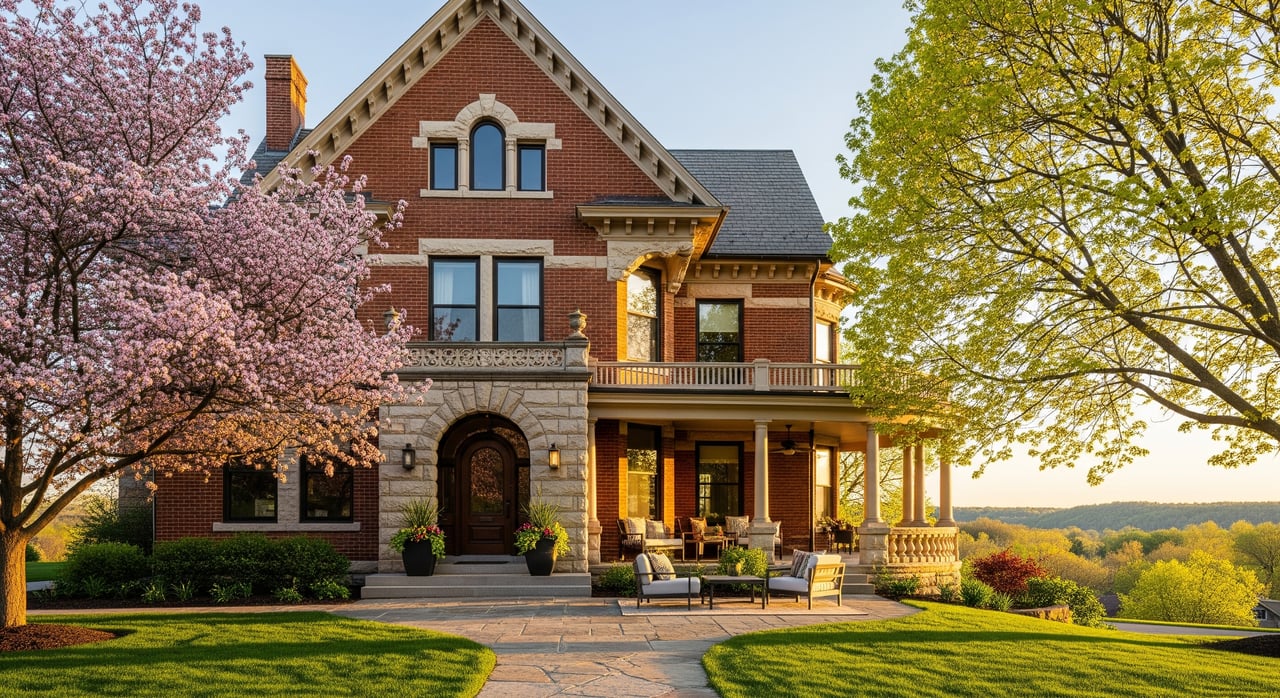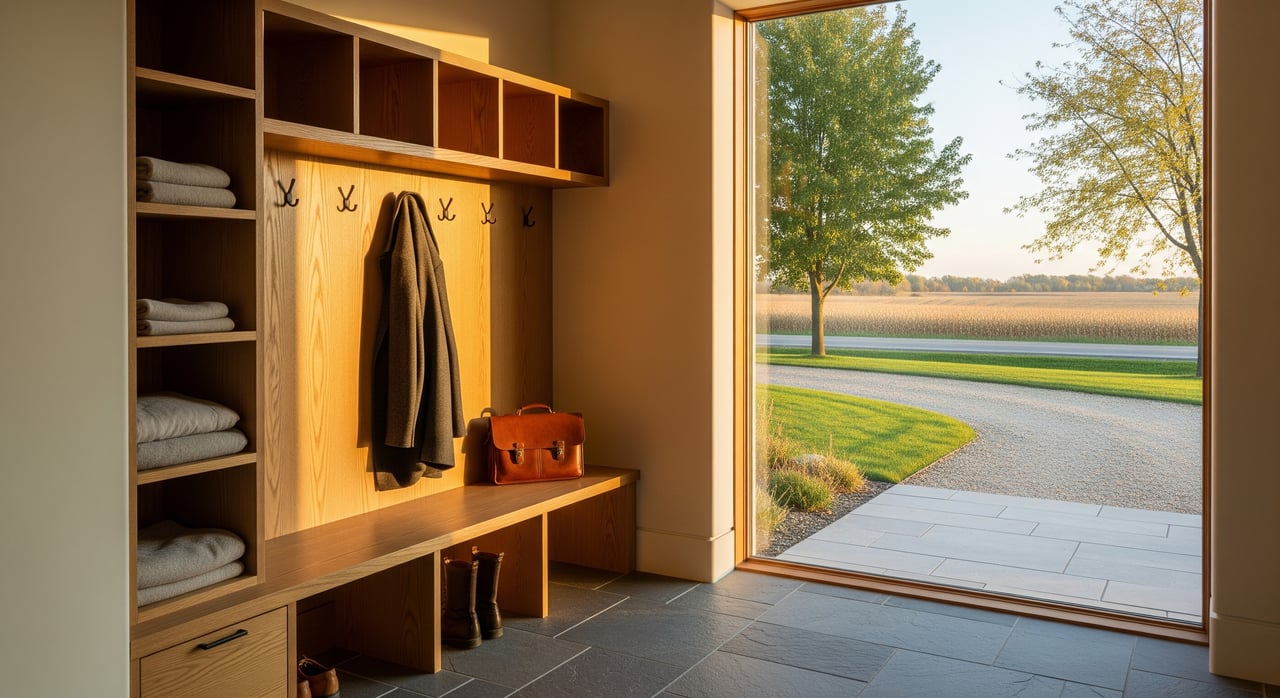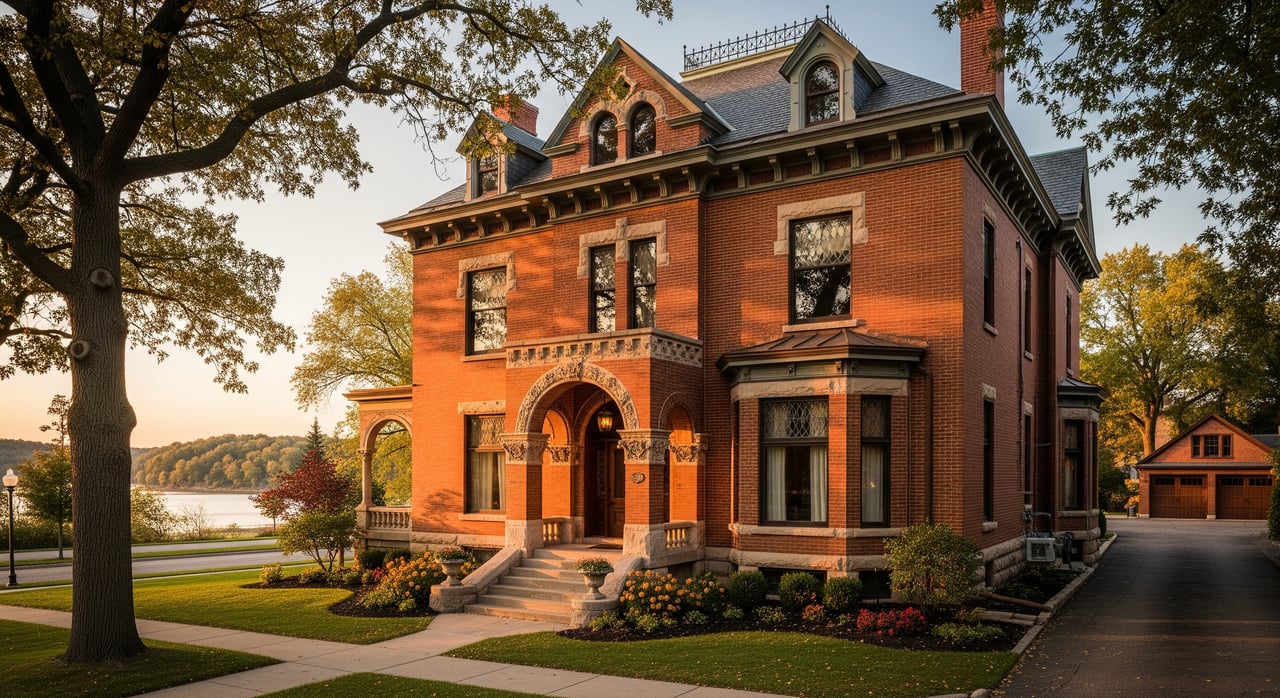
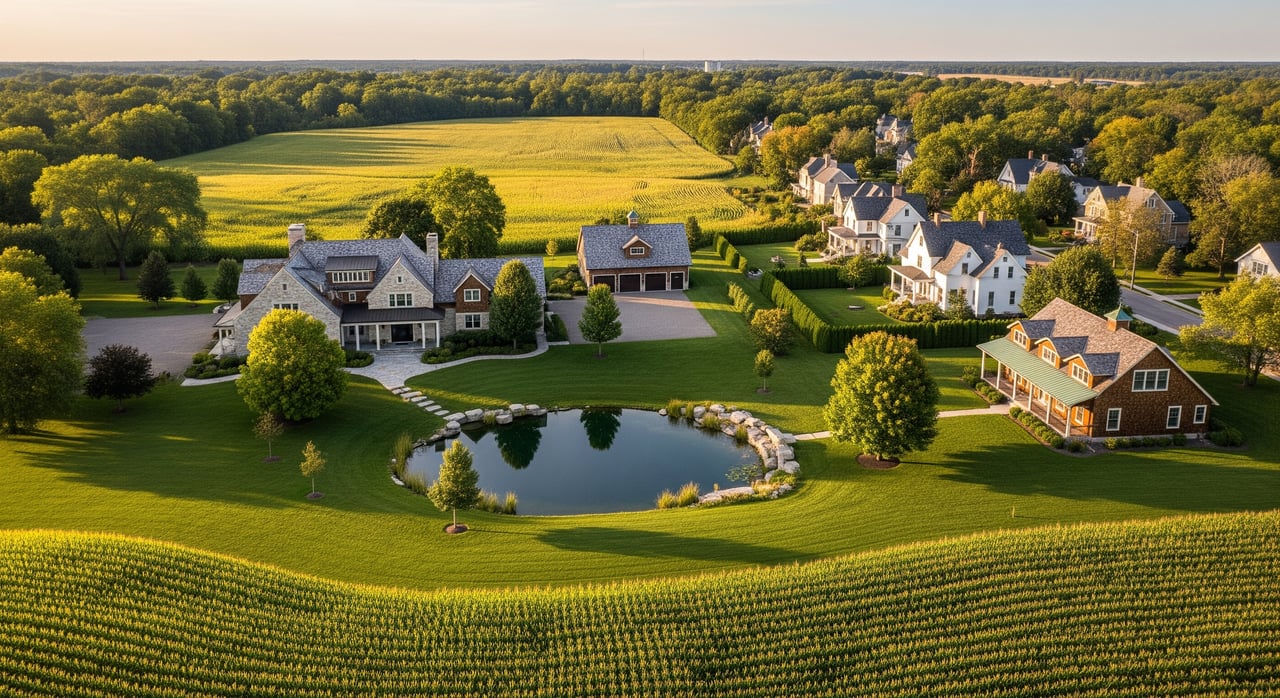
Trying to decide between a peaceful acreage and the convenience of a city lot in Lonsdale? You are not alone. The right choice comes down to how you want to live day to day, how much maintenance you want to take on, and what you value for the future. In this guide, you will compare lifestyle, costs, utilities, rules, and resale factors specific to Lonsdale and Rice County so you can buy with clarity. Let’s dive in.
Acreage vs. city lot: the quick answer
If you want privacy, room for projects, and space between neighbors, acreage can be a great fit. You trade some convenience for more flexibility outside. If you want low maintenance, quick access to town, and simpler utilities, an in‑town lot may be the better move. Both paths can be smart. Your lifestyle and budget will point you in the right direction.
Lifestyle in Lonsdale
Acreage living gives you room for gardens, outbuildings, and outdoor recreation. You can enjoy a quiet setting and a buffer from neighbors. Daily life may include more driving for errands, school, or community events.
City lots keep you close to downtown services and community venues. You spend less time on yard work and can get to shops and events quickly. Neighborhood energy and walkability can be a big plus if you like easy access to town.
Consider your commute too. If you work in the Twin Cities, Northfield, Faribault, or other hubs, check realistic travel times during peak hours and winter conditions. Country roads can be scenic, but snow and ice may add time in severe weather.
Maintenance and ongoing costs
Yard, driveway, and snow
- Acreage: Expect more lawn care, tree work, fence upkeep, and potential pasture management. If you have a long driveway, you will likely handle snow removal or pay a contractor. Equipment costs can include mowers, plows, or tractors, or you can budget for service providers.
- City lot: Smaller yards reduce weekly chores and costs. The city maintains public streets. You still need to manage your driveway and walkways, but the overall workload is lower.
Wells and septic
- In town: Most city parcels connect to municipal water and sewer. You will pay regular utility bills, and the city maintains the main lines.
- Acreage: Many rural homes rely on a private well and septic system. Plan for periodic septic inspections and pumping, and confirm the system’s design and age before you buy. For well safety, follow the Minnesota Department of Health’s guidance on testing and maintenance. You can review state recommendations on the Minnesota Department of Health well guidance. For septic standards and permitting, the Minnesota Pollution Control Agency’s SSTS page explains what to expect.
Key tip: Ask for recent well water test results, septic compliance documents, pump records, and any repair history. These details help you estimate future expenses.
Outbuildings and equipment
- Acreage: Barns, sheds, and shops add utility but also bring roofs, siding, electrical, and doors to maintain. You may need permits for new structures. Budget for both routine upkeep and occasional repairs.
- City lot: You may have a garage and a small shed. Fewer structures generally mean less to repair and insure.
Utilities and internet access
Water, sewer, and trash
City parcels typically have municipal water and sewer. Trash and recycling are curbside through city or contracted services. Rural addresses often use private haulers for trash and recycling; pickup frequency and pricing vary by provider.
Internet and cellular
Internet speeds can change block by block in rural areas. Some acreage addresses have fiber or cable, while others rely on fixed wireless, DSL, or satellite. Verify service by address using the FCC Broadband Map. Cellular coverage can also be inconsistent on acreage. Test reception onsite when you tour.
Safety and services
In‑town locations often have shorter response times for police and fire. Rural addresses are usually served by the county sheriff and volunteer fire departments, which can mean longer responses. If emergency response matters for your household, confirm which agencies serve the property and typical coverage areas before you buy.
Rules, permits, and taxes
Zoning and allowed uses
City parcels follow Lonsdale’s zoning rules for setbacks, lot coverage, and accessory structures. Rural parcels are regulated by Rice County and the local township. If you want to keep animals, run a home business, or build a large shop, check permitted uses and whether a conditional use permit is needed. Start with the county’s resources and contact Rice County Planning and Zoning for parcel-specific guidance.
Building and driveway permits
Both city and county require permits for new buildings and many renovations. Rural driveway access to a county or township road may need a separate permit, and culvert or sightline rules can apply. Plan for permit timelines if you intend to add structures soon after closing.
Property taxes and assessments
Tax rates and assessments differ by location and classification. Some rural parcels qualify for different classifications if actively farmed. Special assessments can apply for road projects or future utility expansions. You can review classifications and learn how assessments work with the Rice County Assessor’s Office.
Environmental and site checks
Before you fall in love with a parcel of land, review soils, drainage, wetlands, and flood risk. These factors affect what and where you can build, septic options, and long‑term maintenance.
- Floodplains: Check the parcel on the FEMA Flood Map Service Center to see if flood insurance or design limits apply.
- Wetlands: Review state resources through the Minnesota DNR wetlands information to understand potential constraints.
- Soils: Use the USDA NRCS Web Soil Survey to assess soil types that may influence drainage and septic suitability.
- Water quality: Ask for current well test results. In agricultural areas, nitrate and bacteria can be concerns. Follow MDH testing guidance.
If limitations exist, you may still be able to build or expand, but design and permitting may take more time and money. Factor this into your timeline.
Commute and access
Acreage often means more driving to school, work, medical care, and shopping. In winter, unplowed township roads or long driveways can add time. Get actual commute estimates during peak hours and consider who maintains the access road and your driveway. If a private road or shared driveway is involved, ask for maintenance agreements and any fees.
Resale and long‑term potential
Both acreage and city homes can perform well at resale when they align with buyer demand. City homes tend to attract buyers who value convenience, modest utility bills, and easy maintenance. Acreage appeals to buyers seeking privacy, outbuildings, and space for hobbies.
If you are thinking about future changes, consider:
- Subdivision feasibility: Rural land may be subdividable, but it depends on zoning, minimum lot sizes, septic viability, road access, and utility costs. County review is essential.
- Infill flexibility: In town, additions and accessory structures can be more straightforward, subject to city rules and lot coverage limits.
- Utility expansions: Future city utility projects can shift value, but timelines are uncertain. Ask about any planned improvements or assessments.
Lonsdale buyer checklist
Use this list to compare specific properties side by side:
- Confirm zoning, permitted uses, and any conditional use permit needs for the exact parcel.
- Verify municipal water and sewer, or obtain recent well test results and septic system compliance and pump records.
- Ask for septic design documents and dates of installation or replacement.
- Review property tax history, current classification, and any pending special assessments.
- Identify who maintains the access road and driveway. If private, request the written maintenance agreement and fee schedule.
- Check internet options and cellular coverage by address using the FCC Broadband Map and onsite testing.
- Review floodplains, wetlands, and soil limitations using the FEMA Flood Map Service Center, Minnesota DNR wetlands info, and the USDA NRCS Web Soil Survey.
- Map commute times to work, school, and medical services during peak travel and consider winter conditions.
- If you plan animals or a hobby farm, verify setback rules and any licensing requirements with Rice County Planning and Zoning.
- Request recent comparable sales for both in‑town homes and rural acreage in your target area.
Get local guidance
Choosing between acreage and a city lot is easier when you have a clear view of utilities, maintenance, rules, and resale in Lonsdale and Rice County. If you want a side‑by‑side comparison and parcel‑specific due diligence, schedule a consult. You will get practical advice and a plan tailored to your lifestyle and budget. Connect with Marissa Babcock to get started today.
FAQs
What should first‑time buyers in Lonsdale consider when choosing acreage vs. a city lot?
- Focus on ongoing costs and convenience: acreage brings more maintenance and private systems, while a city lot offers lower upkeep and municipal utilities.
How should I budget for septic and well maintenance on acreage near Lonsdale?
- Plan for regular septic pumping and inspections plus periodic well testing, and verify system age, design, and service records before you buy.
How can I check reliable internet options for a rural Lonsdale address?
- Search the FCC Broadband Map by address and confirm speeds with local providers and onsite tests for cellular and Wi‑Fi performance.
Will emergency response times differ between Lonsdale city addresses and rural Rice County?
- In‑town addresses often have shorter response times, while rural areas typically rely on county sheriff and volunteer fire departments that may take longer.
Can I keep animals on acreage near Lonsdale, and what permits are needed?
- Rules depend on zoning and township standards; verify permitted uses, setbacks, and any conditional use permits with Rice County Planning and Zoning.
What affects resale for acreage vs. city homes in Rice County?
- Demand drivers include privacy and outbuildings for acreage, and convenience and lower maintenance for city homes; condition, utilities, and location also matter.