Thinking about selling your Northfield home but unsure when to list? Timing can shape your days on market, number of showings, and final price. You want a plan that fits Minnesota’s seasons and Northfield’s college-town rhythm. In this guide, you’ll learn how each season performs, when buyers are most active, and how to prep so you hit the market ready. Let’s dive in.
Northfield market seasonality at a glance
Northfield, like much of Minnesota, follows a clear seasonal pattern. Buyer activity typically rises in spring and stays strong into early summer. Late summer into early fall can bring steady demand from relocations and college-related moves. Activity often slows in late fall and winter, when weather and holidays reduce showings.
Local factors matter. Two colleges, Carleton College and St. Olaf College, influence late summer housing needs. Many buyers commute to the Twin Cities, so interest rates and job trends can shape demand. Weather is also a factor. Spring landscaping and fall color help photos and curb appeal, while winter requires extra attention to snow removal and interior staging.
Best months to list for speed and price
You usually see the broadest buyer pool in spring, roughly March through June. That often translates to faster sales and strong list-to-sale outcomes when pricing is on point. Early summer, especially June and July, remains attractive for families aiming to move before school starts and for buyers who prefer warm-weather closings.
Late summer into early fall is mixed but steady. You may reach buyers who are relocating, starting new jobs, or connected to the colleges. If you price with current comps and present well, you can perform competitively in this window.
Late fall and winter bring fewer active buyers. That said, there is often less competition, and motivated buyers are still in the market. With the right pricing strategy and standout marketing, you can still achieve good results.
When late summer works in a college town
Northfield’s academic calendars create predictable housing activity around August and September. New faculty and staff, along with parents seeking options, can add to demand. If your home appeals to buyers who value proximity to campus or downtown, this window can make sense.
Plan around local events. Early September brings Defeat of Jesse James Days, a major festival that affects traffic, parking, and schedules. You can lean into the extra visibility or avoid that weekend for open houses. A local plan for showings, signs, and parking helps.
Selling in fall and winter
In late fall and winter, you face shorter days and weather challenges. Curb appeal is different when lawns are dormant and landscaping is covered in snow. Interior presentation carries more weight, so aim for warm lighting and a tidy, welcoming feel.
Use strong digital marketing. High-quality photography, a 3D tour or video walkthrough, and thoughtful listing copy help buyers see the value before they visit. Highlight energy efficiency, such as updated furnace, insulation, or windows, since utility costs matter in cold months.
The buyer pool is smaller but motivated. If you price competitively and show well, you can benefit from reduced competition.
How far in advance to prepare
Your prep timeline depends on the level of work. Build in enough time to stage, photograph, and market your home well.
- Minor prep: 2 to 4 weeks for decluttering, deep cleaning, and simple fixes.
- Moderate prep: 4 to 6 weeks for paint touch-ups, light repairs, staging, and landscaping.
- Major prep: 8 to 12 or more weeks for contractor work, permits, or larger updates.
Target windows and when to start:
- Spring listing (March to May): Start planning in December to January. Begin work January to March.
- Summer listing (June to July): Start in March to April.
- Fall listing (August to September): Start in May to June.
- Winter listing (November to February): Start in August to October, focusing on interior readiness and digital assets.
A simple seller prep checklist
- Declutter and depersonalize main living areas and bedrooms.
- Complete minor repairs, tighten hardware, and touch up paint.
- Refresh lighting, replace dim bulbs, and clean windows.
- Deep clean kitchen and baths; regrout or recaulk as needed.
- Stage key rooms for flow and function; remove oversized furniture.
- Boost curb appeal with fresh mulch and trimmed landscaping when in season.
- In winter, keep walkways and driveway clear of snow and ice.
- Book professional photography and a 3D tour once staging is complete.
Staging that wins in Northfield
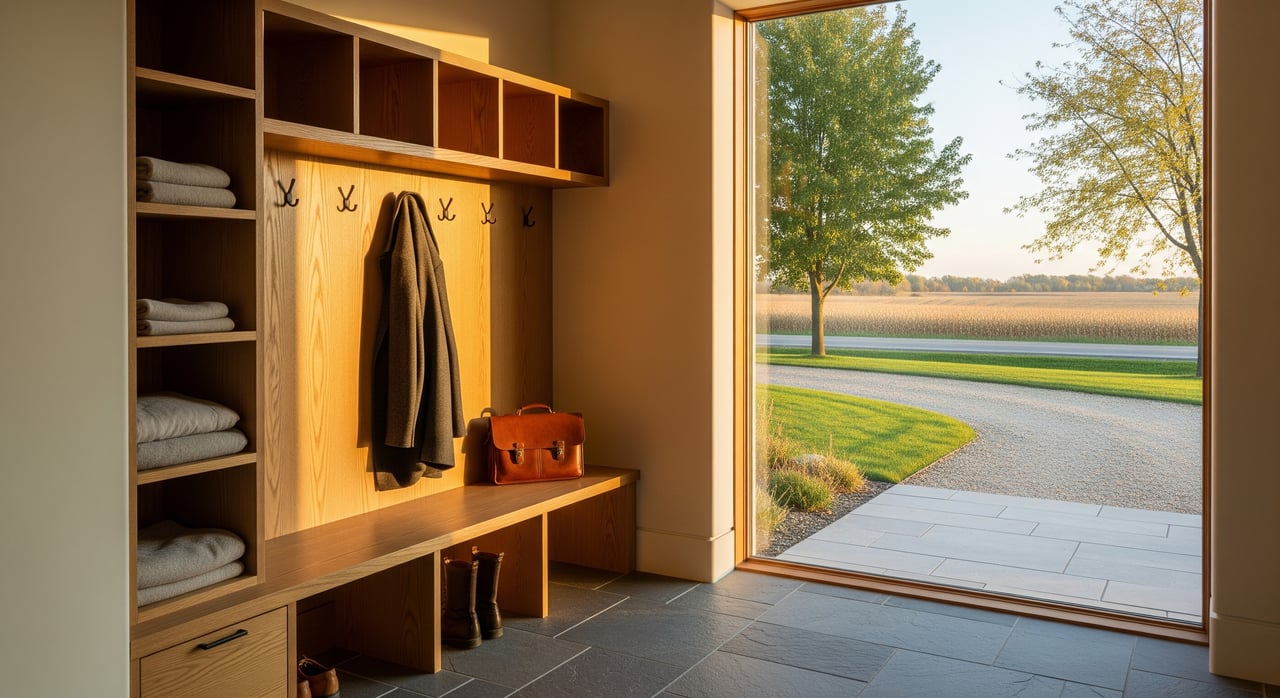
Northfield buyers value practical spaces that work in Minnesota’s climate. Highlight mudroom storage, garage functionality, and durable finishes that stand up to winter gear. Feature any energy-efficient upgrades. Buyers pay attention to long-term running costs.
If your home is near either campus or downtown, show a flexible room that can function as an office or guest space. Keep decor neutral and remove memorabilia so your home appeals to the widest audience. Small updates in lighting, hardware, and textiles can lift your photos and help your home feel move-in ready.
Photography and marketing timing
Exterior photos are strongest from late spring through early fall, when lawns and trees look their best. If you list in winter, schedule exterior shots on a clear day after snow removal. Twilight photos can be stunning in long daylight months.
For interiors, aim for midday light or bright overcast. Stage cozy winter scenes with warm lamps and a clean fireplace if you have one. Always include a 3D tour or video walkthrough. It helps out-of-town buyers and boosts engagement during slower seasons.
Book your photographer 1 to 2 weeks before you plan to list. This leaves time for final touches and a thorough clean.
Open houses and showings timing
Spring weekends usually draw strong foot traffic. Summer buyers often prefer weekday evening showings because of travel and busy schedules. In fall and winter, you may rely more on private showings and virtual tours. Whenever possible, schedule showings in daylight hours.
Keep an eye on the city calendar. During Defeat of Jesse James Days in early September, adjust your open house plans to manage parking and crowds or use the event weekend to showcase Northfield’s community energy.
Pricing strategy by season
- Spring: Price competitively with recent comps to capture strong demand. Limited reductions may be needed if you present well and respond to feedback.
- Early summer: Similar to spring, though inventory can rise. Move-in ready homes still perform well.
- Late summer to early fall: Be slightly more conservative. Highlight flexibility on closing dates to match buyers’ schedules.
- Fall to winter: Expect a smaller buyer pool and longer days on market. Lean on strong visuals and consider more assertive pricing or concessions to drive offers.
Across all seasons, monitor showing feedback, watch for early signals from the first two weekends, and adjust quickly if needed.
A simple timeline to plan your sale
- 12 to 8 weeks out: Consultation, pricing strategy, and contractor bids. Decide on any updates with the best return.
- 8 to 4 weeks out: Declutter, paint touch-ups, minor repairs, curb appeal. Begin light staging.
- 2 weeks out: Final staging, professional photos, 3D tour, and listing copy.
- Launch week: Go live on MLS, optimize syndication, and schedule showings and open houses.
- Weeks 1 to 2 on market: Track showings and feedback. Adjust marketing or pricing if traffic is not meeting expectations.
What your personalized plan includes
Every home and timeline is different. A data-backed plan helps you choose the right week to list and the right price to attract offers. A personalized consult typically includes:
- A local timing recommendation using multi-year monthly patterns for Northfield and Rice County.
- A preliminary price range grounded in recent comparable sales and current inventory.
- A staging and photo plan that fits your target listing window and budget.
- A marketing rollout with professional photography, 3D tour, and strong MLS distribution.
- A showing and open house schedule that avoids major local events and fits your lifestyle.
If you have questions about disclosures or permits, consult an agent or attorney familiar with Minnesota requirements.
Ready to pick your moment?
You do not need to guess your timing. With the right prep and a plan tailored to Northfield’s seasons, you can list with confidence and move on your schedule. For a custom timing-and-pricing consult and a clear staging checklist, connect with Marissa Babcock. Schedule your free consultation or get your instant valuation today.
FAQs
What is the best time to sell a home in Northfield, MN?
- Spring through early summer often brings the most buyers and faster sales, while late summer can also be strong due to relocations and college-related moves.
How does fall and winter selling compare in Northfield?
- You will see fewer buyers but also less competition. With sharper pricing and standout marketing, motivated buyers can still deliver solid outcomes.
Do Carleton and St. Olaf impact when I should list?
- Yes. Late summer into early fall can attract faculty, staff, and families connected to the colleges. Aligning showings and closing timelines can help.
How far ahead should I prepare my home to list?
- Allow 2 to 4 weeks for minor prep, 4 to 6 weeks for moderate updates and staging, and 8 to 12 or more weeks for larger projects or permits.
What if I must sell in winter in Minnesota?
- Focus on interior warmth, energy efficiency, great photos, and a 3D tour. Keep snow cleared and price competitively to reach serious buyers.
How do local events affect open houses in Northfield?
- Major events like Defeat of Jesse James Days can boost visibility or complicate parking. Plan open houses around the schedule or use it strategically.
What metrics should my agent use to pick a listing date?
- Look at multi-year monthly patterns, current inventory, recent comps, list-to-sale ratio, days on market, and any timing considerations like college calendars.