Considering a move to Faribault but not sure what daily life really looks like? You might be weighing commute times, school options, and where you’ll find the right home style. You deserve a clear, local view so you can make confident decisions. This guide walks you through neighborhoods, schools, commuting, parks, and practical lifestyle details, plus how to compare Faribault with nearby towns. Let’s dive in.
Faribault at a glance
Faribault is the county seat of Rice County and a small regional hub with a historic downtown, local employers, and a range of housing options. You’re about a 45 to 60 minute drive from downtown Minneapolis depending on traffic and weather, and you’ll find shorter drives to Northfield and Owatonna via I-35. Many buyers see Faribault as a more affordable small-city alternative to communities closer to the Twin Cities. To get a feel for city services and community updates, visit the City of Faribault.
Where you might live
Historic core and downtown
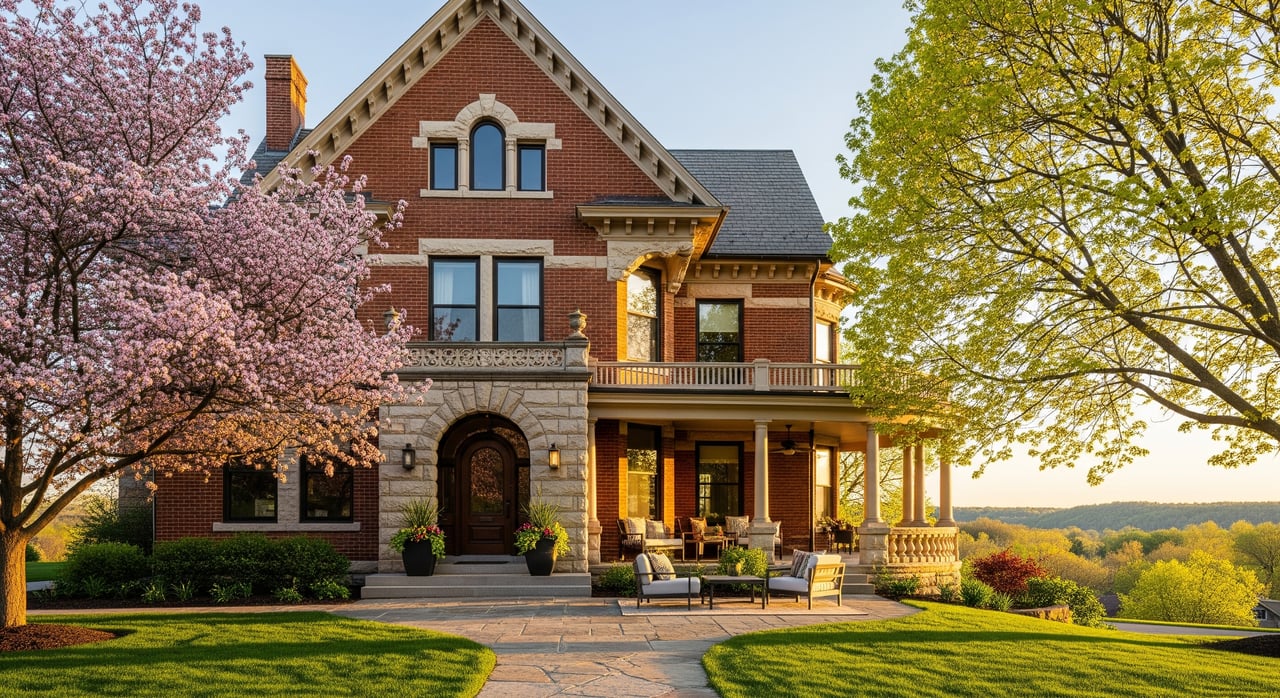
Older single-family homes and classic architecture give the central neighborhoods character and walkable access to shops, eateries, and civic buildings. If you like charm and proximity to downtown activities, this area is worth exploring. Homes range widely in age and style.
Established mid-century areas
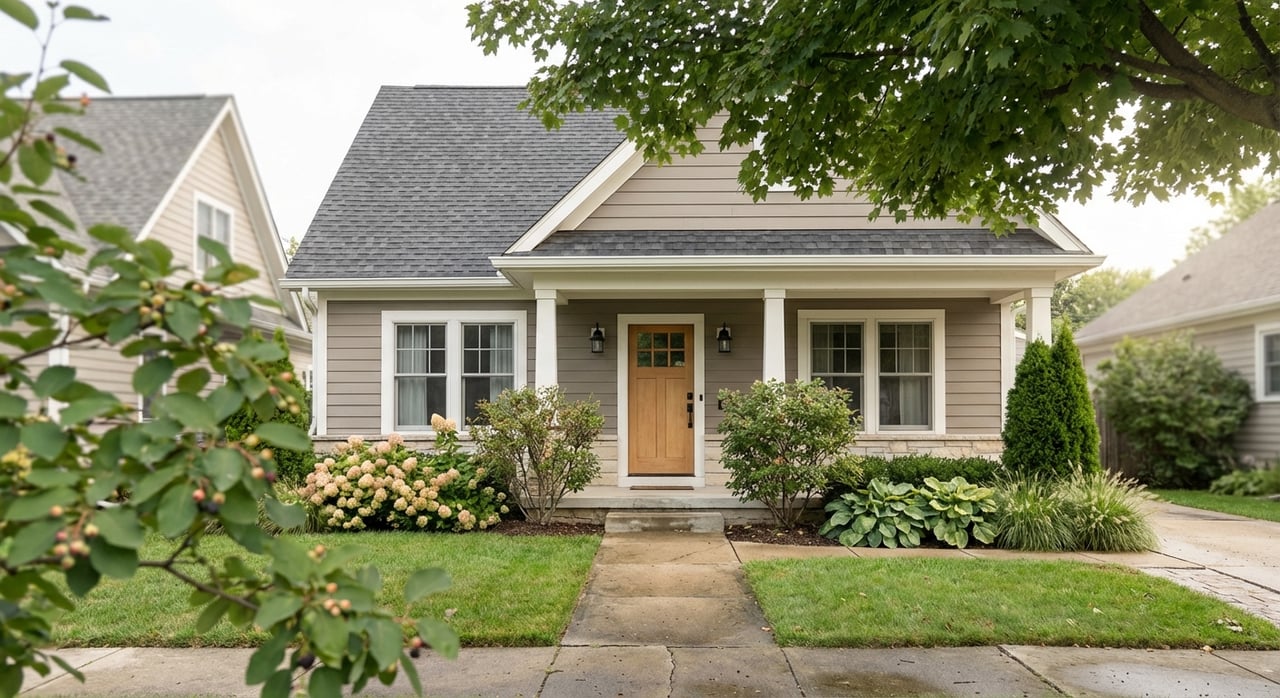
These neighborhoods typically offer modest single-family homes on established lots with mature trees. You’ll find neighborhood parks and a settled street grid that’s easy to navigate. It’s a practical choice if you value an established feel.
Newer subdivisions and edge developments
On the city’s edges, newer construction and planned communities offer modern layouts, updated finishes, and yards. You’ll see a mix of single-family homes and some townhomes. Many buyers choose these areas for lower-maintenance living and newer systems.
Rural and semi-rural in Rice County
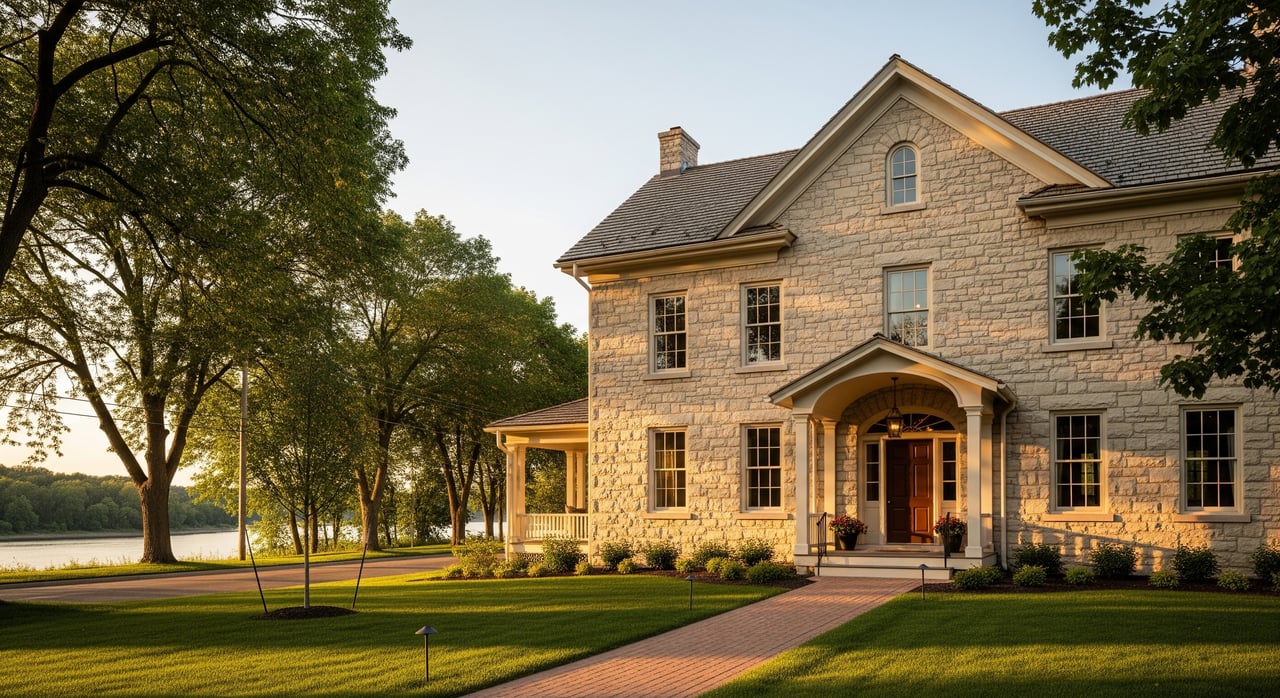
Just outside city limits, acreage properties, hobby farms, and country homes offer more space and privacy. You can enjoy a rural lifestyle while staying a short drive from Faribault services. Make sure you understand well, septic, and utility details before you buy.
What to watch when comparing homes
- School district lines and property taxes can vary within Rice County. Check boundaries before you fall in love with a home.
- For properties near rivers or creeks, review FEMA flood maps and ask for insurance details.
- Outside city sewer and water, confirm well and septic status with the county. Start with the Rice County site for contacts and records.
Schools and childcare
Faribault is served by Faribault Public Schools (ISD 656), with elementary schools, a middle school, and Faribault High School. For performance data, graduation rates, and program details, use the district site and the Minnesota Report Card. Start your research at Faribault Public Schools (ISD 656) and the Minnesota Report Card.
Private and parochial options are also available in the area. Programs, admissions, and availability vary by school, so contact each directly to learn about offerings.
For younger children, you’ll find a mix of center-based care, family daycare, and preschool options, including programming connected to the public schools. Childcare availability can be tight in smaller cities, so get on interest lists early.
Regional community colleges and technical programs are within commuting distance. If continuing education matters to you, review offerings in nearby regional centers and confirm drive times that work for your schedule.
Getting around and commuting
I-35 is the critical north-south corridor connecting Faribault to the Twin Cities and nearby towns. Driving is the primary commute mode, and conditions vary by time of day and weather. For real-time conditions and planning, use MnDOT’s traffic resources.
Public transit is more limited than in the core metro, though local and county services may offer dial-a-ride or scheduled routes for specific needs. Sidewalks and some multi-use paths support walking and biking in parts of the city, especially near parks and downtown.
Work and the local economy
You’ll see employment across manufacturing, healthcare, education, retail, and public services. Some residents commute to the Twin Cities, Northfield, or Owatonna, while others work locally or in hybrid/remote roles. If remote work is part of your plan, confirm broadband options at your address and review coverage with the state. Explore economic and workforce data through Minnesota DEED and check broadband resources at the DEED Office of Broadband.
Parks, recreation, and everyday life
Faribault’s park system includes neighborhood playgrounds, athletic fields, and trails along river corridors. Seasonal programs, youth sports, and community events add to the small-city feel. For current facilities, programs, and trail maps, start with the City of Faribault.
You’ll find independent shops and dining downtown, plus larger retail and groceries near major corridors and highway access. Most daily needs are covered locally, and specialty shopping is within reach in the Twin Cities.
For healthcare, local clinics cover primary and urgent needs. For specialized care, many residents travel to regional medical centers in larger nearby cities or the Twin Cities. To review providers and statewide health resources, visit the Minnesota Department of Health.
How Faribault compares nearby
- Affordability: Faribault tends to be more affordable than suburbs closer to Minneapolis and some nearby college towns. Ask for recent median sale price and days-on-market data so you can compare value across communities.
- Commute trade-off: You gain lower housing costs but accept a longer drive to the core metro. I-35 access helps, but plan for winter and peak-hour variability.
- Small-city amenities: You get a historic downtown, local events, and quick access to outdoor spaces, with big-city retail and entertainment still within driving distance.
- Schools and programs: Review district data and offerings across Faribault, Northfield, Owatonna, and southern Twin Cities suburbs. Use the Minnesota Report Card to compare metrics.
- Rural access: It’s easier to find acreage and country properties here than in dense suburbs.
Buyer and seller tips for this market
- Get a clear read on school boundaries, bus routes, and start times if those logistics matter to your daily routine.
- If you’re considering homes near waterways, confirm flood history and insurance early using FEMA flood maps.
- For acreage or rural properties, budget time for well, septic, and utility checks. Coordinate county records through Rice County.
- Remote work plans? Confirm internet options and speeds through the DEED Office of Broadband and local providers.
- Selling soon? Presentation matters. Thoughtful staging, professional photography, and a pricing strategy aligned with current comps can speed up showings and improve results.
Ready to explore homes in Faribault?
Whether you want a historic home near downtown, a newer build on the edge of town, or acreage in Rice County, you deserve a plan that fits your timeline and budget. If you’re early in your research, we can help you weigh neighborhoods, commute options, and home prep steps. To start a no-pressure conversation or request an instant valuation, reach out to Marissa Babcock.
FAQs
How long is the commute from Faribault to Minneapolis?
- Plan on roughly 45 to 60 minutes by car, depending on traffic and weather; check live conditions with MnDOT’s 511.
What public school district serves Faribault?
- Faribault Public Schools (ISD 656) serves most of the city; review boundaries and programs on the district site and compare performance on the Minnesota Report Card.
Are there private school options in Faribault?
- Yes, private and parochial options are available; contact each school directly for admissions, program details, and availability.
What should I know about buying rural or acreage property near Faribault?
- Verify well and septic systems, utility access, and any floodplain considerations using FEMA maps and county records via Rice County.
What outdoor amenities will I find in Faribault?
- Expect city parks, trails, river access, and seasonal programs; see the City of Faribault for current facilities and events.
Where can I find local economic and job data?
- Browse community and workforce tools from Minnesota DEED to understand industry mix, employment trends, and commuting patterns.