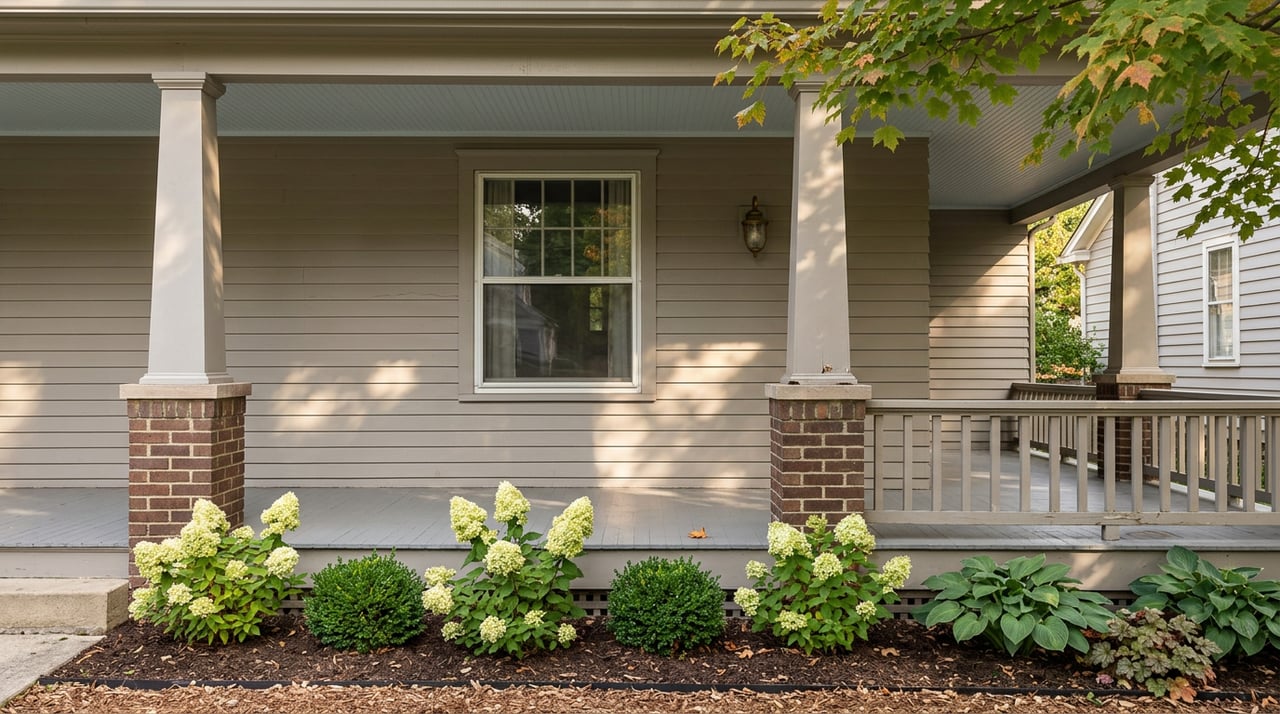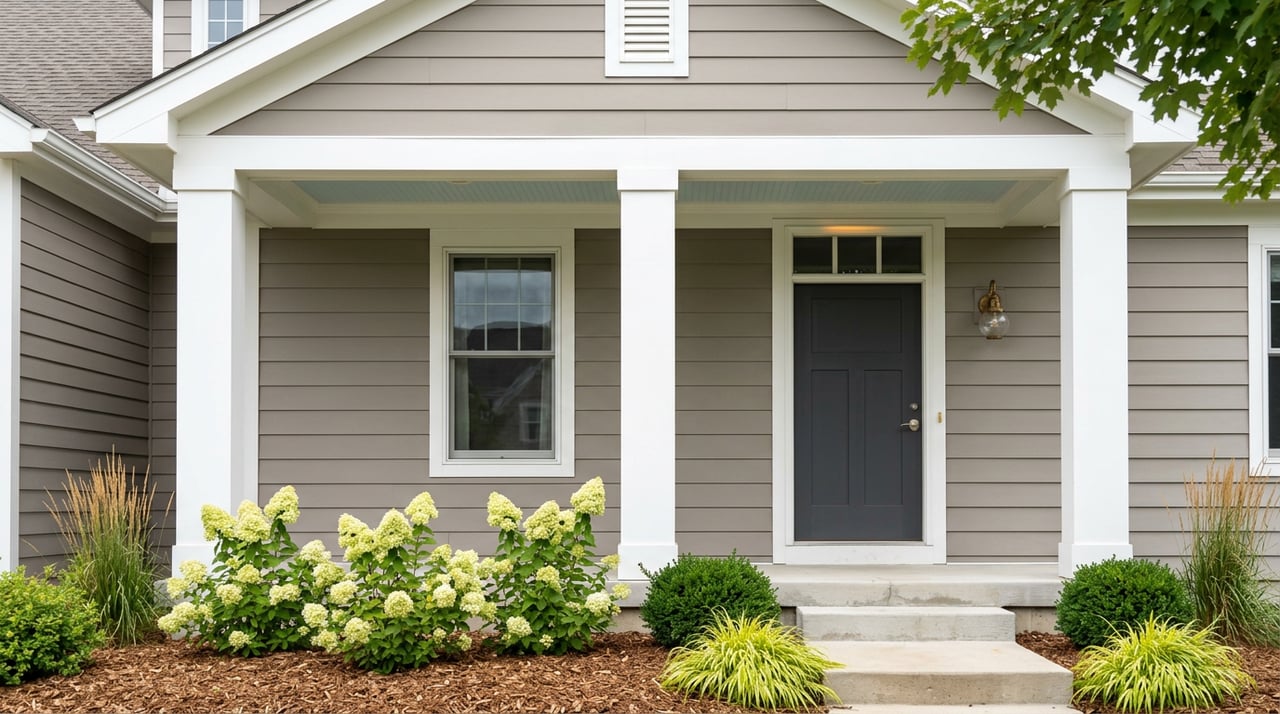
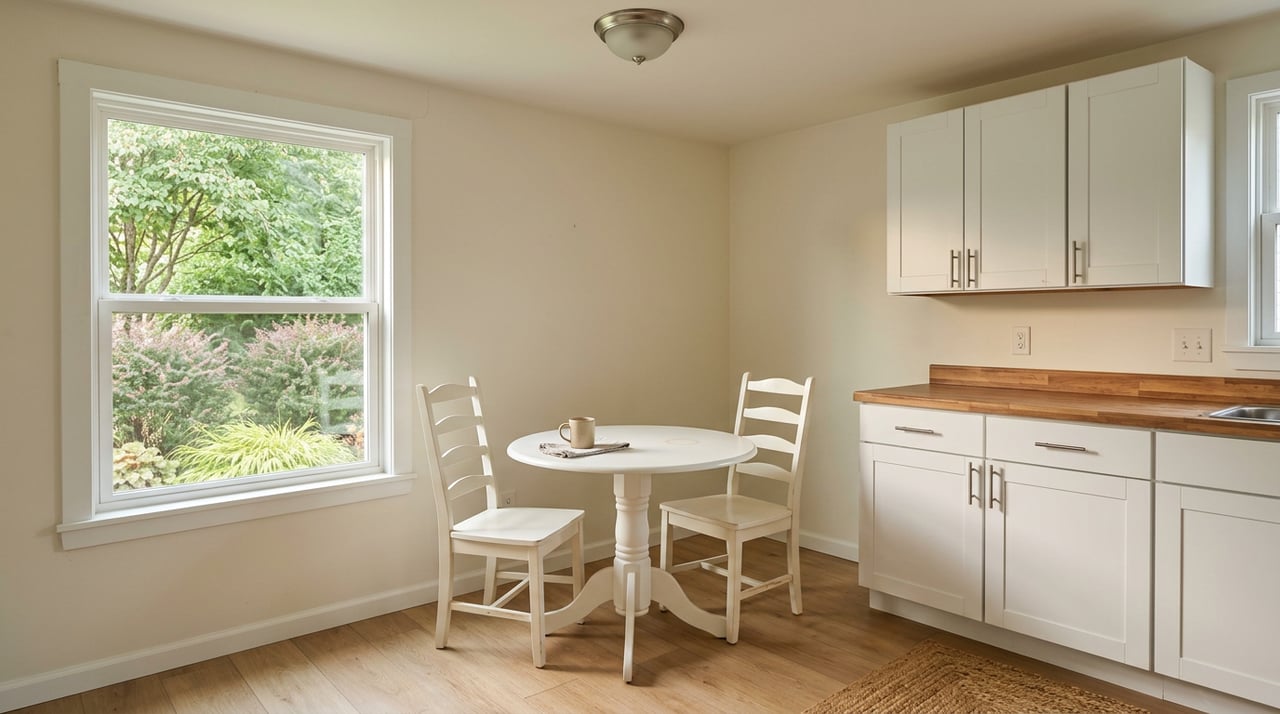
Why does a modest three-bedroom rambler in Faribault go under contract in a matter of days, while the same week's market commentary talks about things cooling off? If you've been watching listings here for even a month, you've probably noticed the gap between what the headlines say and what actually happens when a well-priced starter home hits the local MLS. The explanation isn't hiding in the sale price data. It's in a number most home shoppers never think to look up: the vacancy rate at the apartment complex down the street.
Faribault commissioned a housing needs analysis in November 2025, and the findings were shared with residents at a city council chat in March 2026. The study, conducted by Maxfield Research and presented by Mary Bujold, found something that explains a lot about why this market behaves the way it does. Market-rate apartments in Faribault are running at roughly 2.5 percent vacancy. Income-restricted affordable units are even tighter, at roughly 0.6 percent. Housing economists typically want a rental market to sit well above those numbers before they call it balanced. Faribault is nowhere close.
What an Empty-Apartment Shortage Actually Does
A vacancy rate that low doesn't just mean rents climb. It means the ordinary escape valve for a household that isn't ready to buy, the option to simply rent for another year and wait, barely exists. When there's almost no rental inventory to absorb people who'd rather not commit to a mortgage yet, some of them buy anyway, sooner than they planned, at whatever price point they can qualify for.
That's the mechanism behind the fast-moving starter homes. It's not that every price band in Faribault is red-hot. It's that renters who can't find a unit are getting funneled directly into the entry-level end of the ownership market, competing with first-time buyers who were already there. The result is a squeeze concentrated exactly where inventory is thinnest, even in months when broader market chatter suggests things are settling down.
What the Five-Year Price Climb Actually Hides
The same housing study put a number on where prices have already gone. The median sale price for a single-family home in Faribault rose by about 40 percent between 2020 and 2025, landing at roughly $317,400. Over that same stretch, the city added about 900 residents and more than 440 new households. Looking forward, Maxfield projects another 767 residents and 375 households between 2030 and 2035, with the population aged 75 and older growing by roughly 39 percent as the community ages.
Put those numbers together and the study's overall conclusion is stark: Faribault will need demand for roughly 3,270 additional housing units by 2035, and close to 48 percent of that need is for affordable or subsidized housing rather than move-up or luxury product. Bujold put it plainly in her presentation: there continues to be a shortage of housing, particularly entry-level housing.
That's the piece a citywide median price can't show you. A median blends everything together, the $210,000 starter home and the $900,000 acreage property, into a single number that can look flat or even soft depending on what happened to sell that month. But the study's finding wasn't about the median. It was about where the actual gap sits, and it sits at the bottom of the price ladder, exactly where renters with no vacancies to fall back on are landing.
Two Projects Trying to Catch Up
Faribault isn't ignoring this. Two efforts already underway show the city and its nonprofit partners recognize the shortage, even if neither is large enough yet to close it.
Rice County Habitat for Humanity, working with the Rice County HRA, Three Rivers Community Action, Minnesota Housing, the City of Faribault HRA, and USDA Rural Development, dedicated the final two homes in its Twin Oaks development in northeastern Faribault on February 5, 2026. These aren't standard starter homes. Each one has six or seven bedrooms, built specifically for large or multigenerational families who needed a foothold into ownership they couldn't otherwise afford. A $2 million construction loan from the Greater Minnesota Housing Fund helped make the project pencil out.
Separately, a developer called Noor Companies has proposed a multi-family workforce housing project on a 10-acre parcel south of the 2300 block of 4th Street NW, near Walmart. The proposal went before a joint work session of the city council and planning commission in March 2026, where Noor Companies' representative pointed directly to the city's own vacancy findings as the case for moving forward, telling officials the community has work but not enough housing to support the people doing it. As of that meeting, the project was still working through feedback on annexation and entitlement, meaning it hadn't broken ground.
Both projects matter. Neither one, on its own, comes close to the 3,270 units the study says the city will need by 2035. That gap is why the squeeze at the entry level isn't going away on its own timeline. It's going to take years of projects like Twin Oaks and the Noor Companies proposal, stacked on top of each other, before supply catches up to what the vacancy rate is already telling us about demand.
What This Means If You're Comparing Faribault to Other Towns
If you're weighing Faribault against Northfield, Owatonna, or Lonsdale, the rental vacancy rate is worth checking before the median price is. A town where renters have options behaves differently than one where they don't. In Faribault right now, that near-zero vacancy is doing real work, pulling would-be renters into the ownership market earlier than they intended and concentrating competition at the price points that are already the tightest.
A few questions worth asking before you write an offer, or list a starter home, in this market:
- Is the home priced at or below the segment the housing study flagged as undersupplied? If so, expect competition regardless of what the citywide median suggests that month.
- Has the seller priced with the understanding that some of today's buyers are recent renters making a faster decision than a typical move-up buyer would?
- If you're relocating and considering renting short-term before you buy, have you actually confirmed a unit is available? A 2.5 percent vacancy rate means it might not be as easy as it sounds.
A Couple of Questions We Hear Often
Does a tight rental market affect how a home appraises? Not directly. Appraisals are based on comparable sales, not rental vacancy. But a vacancy-driven surge of buyer competition at the entry level can push comparable sales higher faster than in a market where renting remains a real option, which is worth understanding before you set expectations on a starter-home purchase or listing.
Will the Noor Companies project change the entry-level squeeze soon? Not immediately. As of the March 2026 work session, the proposal was still in the feedback and entitlement stage, with no groundbreaking date set. It's a signal of where supply is headed, not a change you'll see reflected in this year's competition for starter homes.
What counts as entry-level in Faribault right now? The housing study didn't set a single price line, but its framing points squarely at the lower end of the single-family market, the price points a first-time buyer or a renter transitioning to ownership would realistically be shopping in.
Where This Leaves You
The median price is still worth knowing. It's just not the number that explains why a well-priced starter home in Faribault moves faster than the rest of the market seems to suggest. That's the rental vacancy rate's job, and right now it's telling a clear story about who's buying and why.
If you're trying to figure out where you actually stand, whether you're a renter thinking about making the jump to ownership sooner than planned, or a seller wondering why your starter home is getting more traffic than the broader chatter implies, Marissa Babcock can walk through what the current entry-level competition looks like for your specific price point and timeline. Schedule a free consultation, or start with an instant home valuation, and get a read on the market that goes past the headline number.