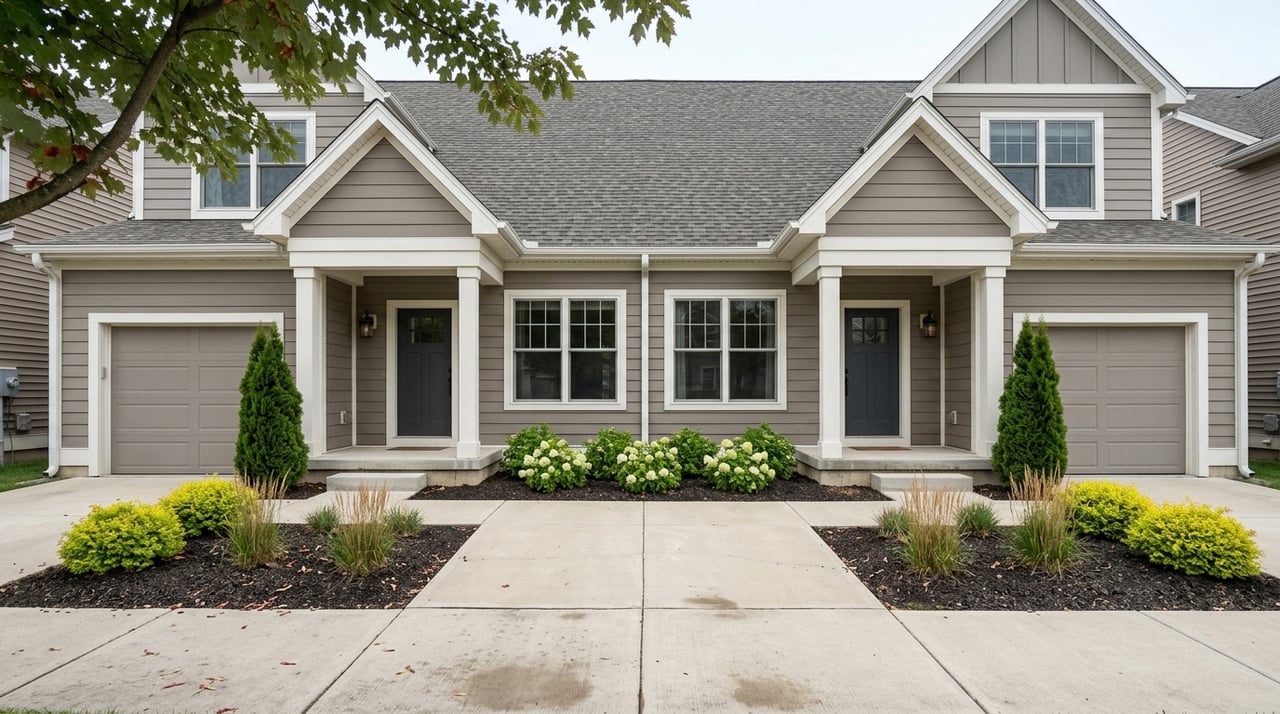
If you like the idea of less exterior upkeep, a more compact layout, and a home that can fit a busy season of life, Northfield townhome living may be worth a closer look. At the same time, shared rules, monthly dues, and different ownership structures can surprise buyers who expect a townhome to work just like a detached house. This guide will help you weigh the tradeoffs, understand how townhome ownership works in Minnesota, and decide whether this style of living fits your goals in Northfield. Let’s dive in.
Why Northfield townhomes attract buyers
Northfield is not a one-size-fits-all housing market. The city’s 2024 housing analysis notes a healthy mix of condominiums, townhomes, and twinhomes, and it expects more demand for attached and association-maintained housing as the population ages and more residents look for affordability.
That trend makes sense when you look at local household patterns. In 2024, the most common household type in Northfield was people living alone at 31.4%, followed by married couples without children at 30.4%. For many buyers, a smaller-footprint home with less maintenance simply lines up better with daily life.
Northfield also remains a market where cost matters. Census QuickFacts shows a median owner-occupied home value of $329,400 and median monthly owner costs with a mortgage of $2,182. For some buyers, a townhome can be a practical way to stay in Northfield while simplifying both space and upkeep.
What townhome ownership means in Minnesota
One of the most important things to know is that a townhome listing in Minnesota does not always mean one legal setup. A property may be organized as a condominium or as a planned community, and that legal structure affects what you own directly, what is shared, and who handles certain maintenance.
Under Minnesota law, a condominium includes units plus an undivided interest in common elements. A planned community is a common interest community that is not a condominium or cooperative. That distinction matters because it shapes the boundaries between your unit and the shared property.
In general, associations are responsible for maintenance, repair, and replacement of common elements, while owners are responsible for the unit itself. Common elements can include land, foundations, roofs, parking areas, storage spaces, and shared systems such as water, heating, refrigeration, and air conditioning.
That is why two townhomes with similar square footage can feel very different from an ownership and budget standpoint. Before you fall in love with a floor plan, it helps to understand exactly what the association maintains and what stays on your to-do list.
What you may gain with townhome living
For many buyers, the biggest appeal is reduced exterior responsibility. If you would rather spend less time on yard work or major exterior upkeep, an association-maintained property may feel like a welcome change.
Townhomes can also offer a more efficient layout. Northfield’s housing analysis says two-story townhomes and rowhomes often appeal to professionals, smaller households, and younger seniors, while one-level townhomes are often designed with 55-plus buyers in mind and may offer at least 1,400 square feet on the main level.
Some buyers also like the lifestyle flexibility. If you travel often, want a simpler home base, or are planning a move-down purchase without leaving Northfield, a townhome can check a lot of boxes.
Who townhome living may suit best
Townhome living often works well if you want a lower-maintenance home and are comfortable with shared rules. It can be a strong fit if you value convenience, efficient use of space, and predictable exterior care over maximum yard size or full control of every exterior detail.
In Northfield, this can appeal to several types of buyers:
- Buyers downsizing from a larger detached home
- Busy professionals who want less exterior upkeep
- Smaller households looking for a practical footprint
- Buyers seeking one-level living options
- Empty nesters who want a maintenance-free alternative
The city’s housing analysis specifically notes that detached townhome or villa products appeal to baby boomers and empty nesters. That gives you a good clue about how this segment fits into Northfield’s broader housing mix.
When a townhome may be the wrong fit
A townhome is not automatically easier in every way. If you want a large private yard, broad freedom over exterior changes, or minimal oversight, you may feel limited by association living.
This type of property can also be a weaker fit if you dislike rules related to pets, parking, or rental use. Associations exist to manage shared property and enforce community standards, so it is important to be honest about your comfort level before you buy.
The bottom line is simple. If independence matters more to you than convenience, a detached home may still be the better long-term match.
Where Northfield townhomes are located
Northfield townhomes are not concentrated in just one setting. City housing-development pages show notable clustering in planned areas such as Cedar Meadows in the northwest and Southbridge in the southeast, along with smaller infill and edge-of-town sites.
That variety gives buyers more than one lifestyle option. Depending on the property, you may find yourself choosing between central walkability, edge-of-town convenience, or a newer subdivision environment.
The city also notes that Northfield’s residential areas range from the original walkable town plat to more suburban-style areas with more garages, fewer connecting streets, and greater car dependence. In practical terms, townhome living in Northfield is less about one neighborhood identity and more about matching a location to your routine.
What Northfield product types look like
Local projects show that attached housing in Northfield comes in several forms. Cedar Meadows, for example, includes detached villas, twin-home and duplex units, triplex units, single-family homes, and a senior co-op as part of a mixed-product subdivision.
That matters because some buyers picture townhomes as a single repeating row of identical units. In reality, Northfield’s attached housing can show up in mixed developments, small clusters, or newer planned communities with different levels of privacy and different site layouts.
You may also come across visible townhome communities that are rental or income-restricted rather than owner-occupied resale opportunities. When you are shopping, it is important to separate for-sale inventory from rental projects so you are comparing the right options.
How to budget for a Northfield townhome
The monthly payment is only part of the story. Your true carrying cost may include mortgage, property taxes, insurance, HOA dues, utilities, and the possibility of special assessments if major work is needed.
This is where many buyers need to slow down. HOA dues are not a minor extra. They are a real part of the cost of ownership, and they should be evaluated just as carefully as the loan payment.
Minnesota law allows associations to levy common-expense assessments and, in some cases, special assessments. The law also requires replacement reserves to be kept separate from operating funds and reevaluated at least every third year, which gives buyers useful context when reviewing an association’s financial health.
What to review before you buy
Good townhome buying decisions usually come down to good document review. The Minnesota Department of Commerce says an HOA maintains common areas, enforces rules, collects dues, and manages finances, while the Attorney General advises buyers to review core association documents carefully.
Before you move forward, ask for:
- The declaration
- Bylaws and current rules
- Current budget
- Reserve information
- Meeting minutes
- Insurance summary
- Resale disclosure
- Pet rules
- Parking rules
- Rental policy
Minnesota buyers also typically have 10 days to cancel after receiving required disclosures. That window can be important, so it helps to review documents promptly and ask questions early.
Questions to ask yourself first
Before you decide that a Northfield townhome is right for you, take a step back and think about how you want to live day to day. The best fit is not just about price or square footage. It is about how the property supports your routine.
Ask yourself:
- Do you want less exterior maintenance?
- Are you comfortable paying monthly HOA dues?
- Would shared rules feel helpful or restrictive?
- Do you want one-level living or a compact layout?
- How important are yard space and exterior control?
- Does the location fit your daily driving or walking patterns?
If your answers lean toward simplicity, convenience, and lower exterior responsibility, a townhome may be a strong option. If your answers lean toward autonomy, outdoor space, and fewer restrictions, you may be happier with a detached home.
Final thoughts on Northfield townhomes
In Northfield, attached housing is not a niche afterthought. City plans and housing studies treat townhomes, condos, and similar housing types as a meaningful part of the local market and a likely response to changing household sizes, affordability concerns, and an aging population.
That means you have real options, but also real differences to sort through. The right townhome can offer convenience, efficient living, and a location that fits your lifestyle. The wrong one can leave you feeling boxed in by dues, rules, or maintenance expectations you did not fully understand.
If you want help comparing Northfield townhomes, reviewing resale fit, or deciding whether attached living matches your next move, Marissa Babcock can help you make a confident plan.
FAQs
Is buying a townhome in Northfield, MN different from buying a detached house?
- Yes. In Northfield, a townhome may be organized as a condominium or a planned community, which affects what you own directly, what is shared, and what the association maintains.
What do HOA dues usually cover for a Northfield townhome?
- HOA dues often support common-area maintenance, rule enforcement, and association finances, but the exact coverage depends on the property’s documents and what the association defines as common elements.
Are Northfield townhomes a good fit for downsizers?
- They often can be. Northfield’s housing analysis says attached and association-maintained housing is expected to see stronger demand as more buyers look for affordability and lower-maintenance living.
Where are townhomes commonly located in Northfield, MN?
- Current clustering appears in planned areas such as Cedar Meadows in the northwest and Southbridge in the southeast, along with smaller infill and edge-of-town sites.
What should you review before buying a townhome in Minnesota?
- You should review the declaration, bylaws, rules, budget, reserve information, meeting minutes, insurance summary, resale disclosure, and policies for pets, parking, and rentals.
Can a Northfield townhome have special assessments?
- Yes. Minnesota law allows associations to levy common-expense assessments and, in some cases, special assessments, so buyers should factor that risk into their budget.
Are all Northfield townhome communities owner-occupied?
- No. Some visible Northfield townhome communities are rental or income-restricted, so buyers should confirm whether a property is part of the owner-occupied resale market.