If you are drawn to places with real character, Northfield’s historic core and riverfront deserve a closer look. This part of town blends brick storefronts, older homes, everyday conveniences, and scenic Cannon River views in a way that feels both practical and memorable. If you are thinking about buying, moving, or simply narrowing your search in Rice County, this guide will help you understand how the area lives day to day. Let’s dive in.
Why Northfield’s historic core stands out
Downtown Northfield is more than a shopping area. The city describes it as the community’s focal point along the Cannon River, with Bridge Square serving as a main gathering space for concerts and community events. That gives the historic core an active civic role, not just a visual one.
The area also works as a true mixed-use district. According to the city’s planning documents, downtown supports small-scale retail, professional offices, short-term rentals, and higher-density housing. In simple terms, that means you are looking at a neighborhood where living, working, dining, and gathering all happen close together.
What the riverfront lifestyle feels like
The Cannon River is a big part of Northfield’s identity. The city’s Riverfront Enhancement Action Plan focuses on creating a connected riverfront park system and a riverwalk loop, and the Cannon River is also recognized by the Minnesota DNR as a state water trail. That planning focus shows up in the way the river is woven into everyday life.
For you as a buyer, that can mean easier access to walking routes, park space, and water views near the core. It also means the riverfront is not treated like an afterthought. It is part of how the city imagines the area’s future.
Northfield also maintains multiple city trails, including hiking, mountain biking, and mixed-use routes, and the city says it has more than 30 parks. If you value a lifestyle where outdoor time fits naturally into your routine, this is an important part of the appeal.
How walkable daily life is downtown
One of the biggest advantages of Northfield’s core is convenience. The city says that within a short walk downtown, you can get groceries, visit City Hall, borrow library books, fish at the riverfront, eat at a restaurant, grab coffee or ice cream, visit a beer taproom, get a haircut, and reach the historic Depot and transit hub.
That kind of walkability is notable for a small city. Instead of needing to drive for every errand or outing, you may be able to combine daily tasks with leisure stops in one trip. For many buyers, that creates a more connected and flexible routine.
Northfield also has local bus service through Hiawathaland Transit. While larger civic uses like the hospital and newer schools are located closer to the edge of town, the historic core still offers a strong concentration of day-to-day destinations.
Architecture you will notice first
Northfield’s downtown historic district developed over many decades, with a period of significance running from the mid-19th century to 1945. The district includes about 65 buildings in the commercial center and extends across the river edge of the core, including the 4th Street Bridge. That long development period is part of why the architecture feels layered instead of uniform.
The city survey identifies styles such as Italianate, Queen Anne, Romanesque Revival, Neoclassical-influenced Commercial, and later Commercial Vernacular. You do not need to know those terms to appreciate the setting, but they help explain why the downtown streetscape has so much visual texture.
Many downtown buildings also follow a classic mixed-use pattern. Retail is often at street level, with offices or apartments above. For buyers who like the idea of living close to activity, that pattern matters because it broadens the housing options near the core.
Residential character near the core
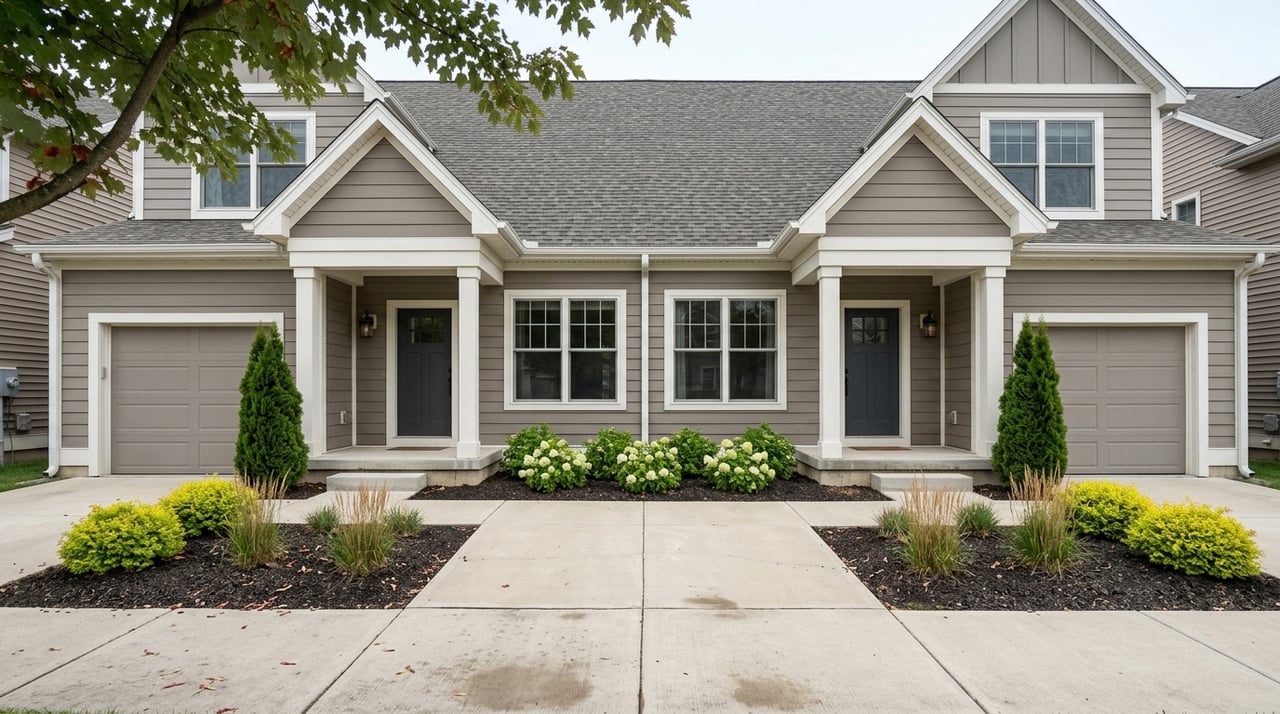
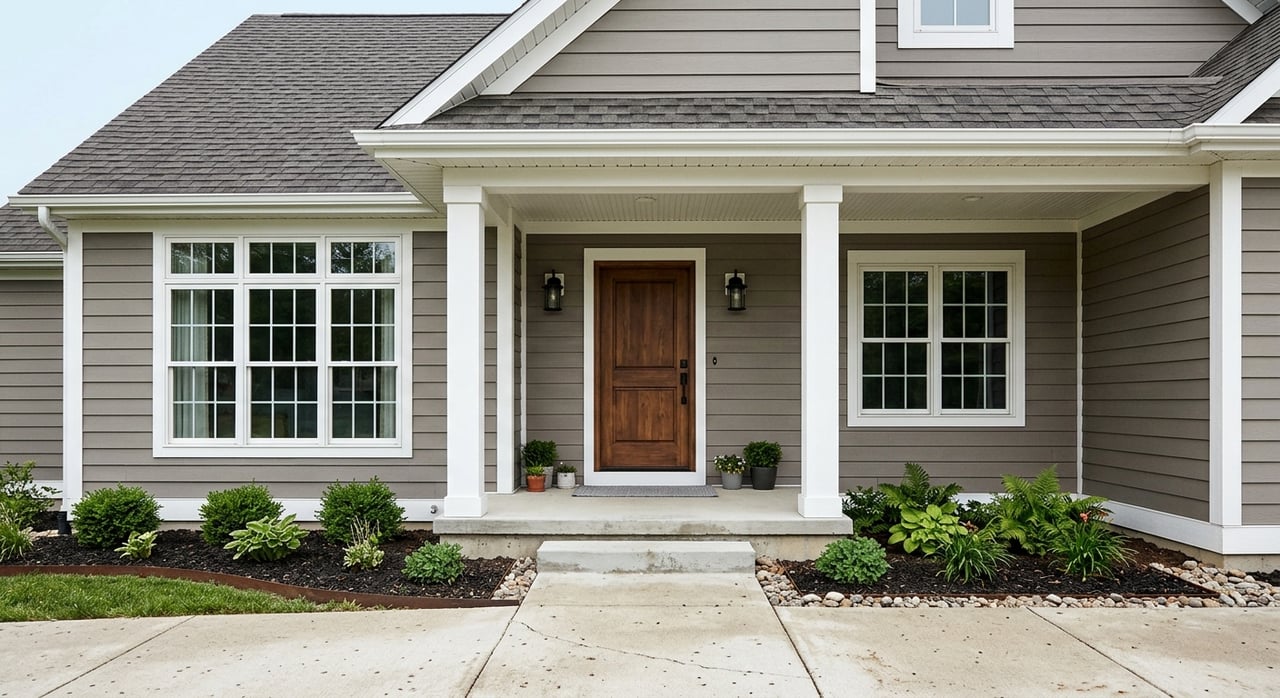
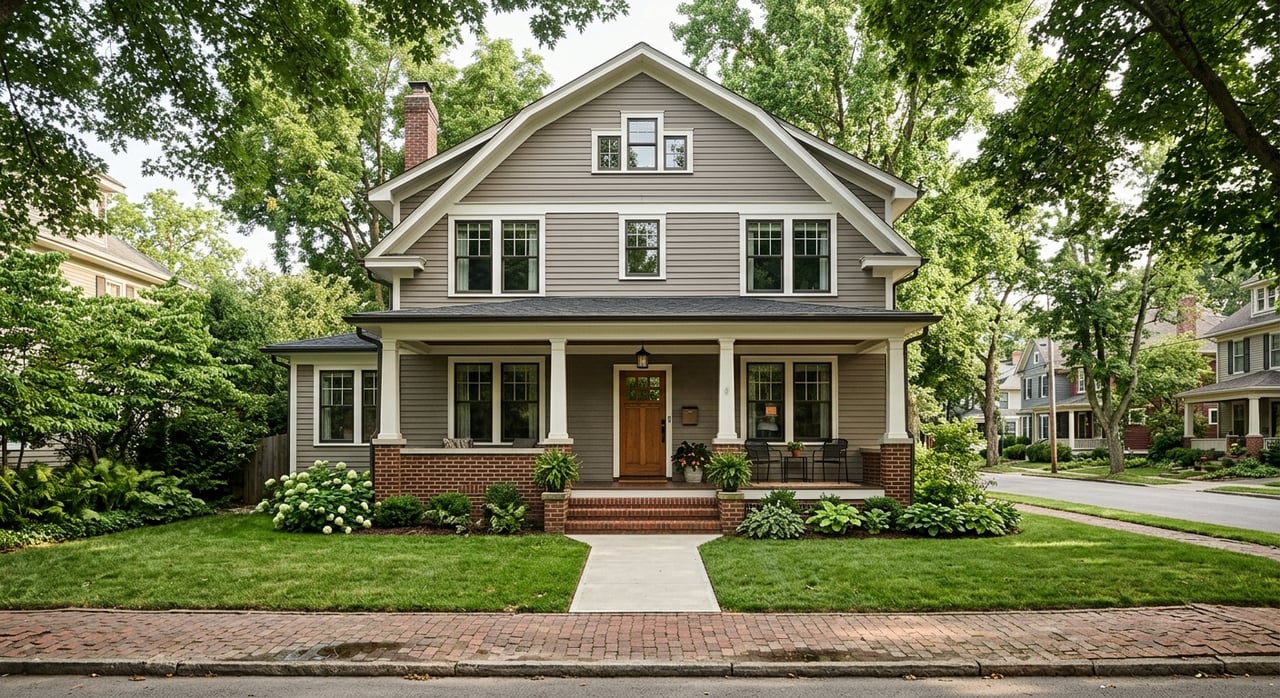
Some of the most distinctive residential blocks sit near Carleton College. The city survey notes a roughly four-block area of late-19th-century houses associated with merchants and professionals, including Queen Anne, Shingle Style, and Italianate homes.
As you walk or drive through these nearby streets, you may notice a mix of ornate late-Victorian homes and more restrained early-20th-century houses. That creates variety in both style and scale. If you are looking for older housing stock with architectural detail, this part of Northfield often stands out.
At the same time, the area is not limited to one housing type. Northfield’s planning documents point to a broader mix that can include upper-floor apartments over shops, older homes near downtown, river-adjacent condominium or hotel-style mixed-use buildings, and smaller single-family or multifamily infill farther out.
Are there condos and mixed-use options?
Yes, and that is one of the more useful things to understand early in your search. The riverfront edge west of Division Street and north of 5th Street and Highway 19 includes a transition area where some buildings still follow the downtown pattern, while other parcels include multistory hotel and condominium uses along the river, plus highway-commercial uses and the transit hub.
That means your choices near the historic core may be more varied than you expect. If you picture downtown Northfield as only old storefronts and detached homes, the planning context tells a fuller story. There are options that fit buyers who want lower-maintenance living close to downtown activity and riverfront access.
What historic-review rules mean for owners
If you are considering a property within the historic district, exterior changes may require city review. Northfield’s historic-review process directs property owners to downtown design guidelines and heritage-preservation procedures before altering facades, signage, or other exterior features.
That does not automatically mean ownership is difficult. It does mean you should go in with clear expectations if you are hoping to update or change a building’s exterior appearance. Buyers who love historic character often see this review process as part of what helps preserve the look and feel of the district.
When we help buyers evaluate older or distinctive properties in communities like Northfield, one of the most important steps is understanding not just the home, but also the rules and context that come with it. That kind of local guidance can help you avoid surprises later.
Arts, events, and college-town energy
Northfield’s appeal is not only physical. It is also cultural. The Northfield Arts Guild operates from two historic downtown buildings, and the community includes Main Street galleries, summer festivals, and an artist and farmers market.
Riverwalk Market Fair is held on Bridge Square in historic downtown as a seasonal Saturday market featuring produce, artisan foods, and local art and craft. The city also highlights arts programming throughout the year, along with annual events such as Defeat of Jesse James Days. If you enjoy a calendar with recurring local events, that rhythm is part of the area’s identity.
The colleges also shape the town’s atmosphere. Northfield is home to St. Olaf and Carleton, which the city identifies among its major employers, and their presence supports performances, lectures, and student-oriented energy. St. Olaf’s fine arts program alone offers more than 150 recitals and concerts each year.
For you, that can translate into more things to do and a stronger sense of activity than you might expect in a small city. It also helps explain why the historic core often feels lively without losing its small-town scale.
The library and civic center effect
Another detail that reinforces the feel of the historic core is the public library. The Minnesota Digital Library describes Northfield Public Library as being in an expanded Carnegie building in the heart of downtown. That placement matters because libraries, civic buildings, and gathering spaces help anchor daily life.
In Northfield, downtown is not just where you pass through. It is where civic, cultural, and social uses come together. For many buyers, that is part of what makes the area feel established and connected.
What this means if you are buying
If you are in the early stages of a move, Northfield’s historic core offers a specific combination that can be hard to replicate. You get historic architecture, a walkable commercial center, river-adjacent recreation, and a steady flow of events and cultural amenities in a compact area.
It is also helpful to think about your priorities before you tour homes here. Ask yourself whether you want the charm of an older house, the convenience of mixed-use living, or proximity to trails, parks, and downtown destinations. The answer can quickly narrow which part of the area makes the most sense for you.
From a practical standpoint, buyers should pay attention to housing type, location relative to the riverfront and downtown blocks, and any historic-review considerations tied to a property. Those factors can shape not just how a home looks, but how you live in it and maintain it over time.
Northfield’s story is really the intersection of historic masonry blocks, riverfront recreation, and college-town culture. If that mix matches the lifestyle you want, having a local guide can make the search feel a lot more focused and a lot less overwhelming.
If you are exploring Northfield or other Rice County communities, Marissa Babcock offers hands-on guidance, practical local insight, and a relationship-first approach to help you find the right fit.
FAQs
How walkable is daily life in Northfield’s historic core?
- According to the city, many daily stops are within a short walk downtown, including groceries, the library, restaurants, coffee, the riverfront, City Hall, the Depot, and the transit hub.
What architectural styles are common near downtown Northfield?
- The city survey identifies Italianate, Queen Anne, Romanesque Revival, Neoclassical-influenced Commercial, and Commercial Vernacular styles in and around the historic district.
Are there condos or apartments near the Northfield riverfront?
- Yes. Planning documents describe upper-floor apartments in mixed-use buildings and a transition area with multistory hotel and condominium uses along the river.
Do historic-district rules affect Northfield home renovations?
- Yes. Exterior work within the historic district may require city review, especially for items such as facades, signage, and other exterior features.
How do the colleges affect life near downtown Northfield?
- Carleton and St. Olaf help support performances, lectures, events, and a steady sense of activity that adds to the area’s cultural and civic energy.